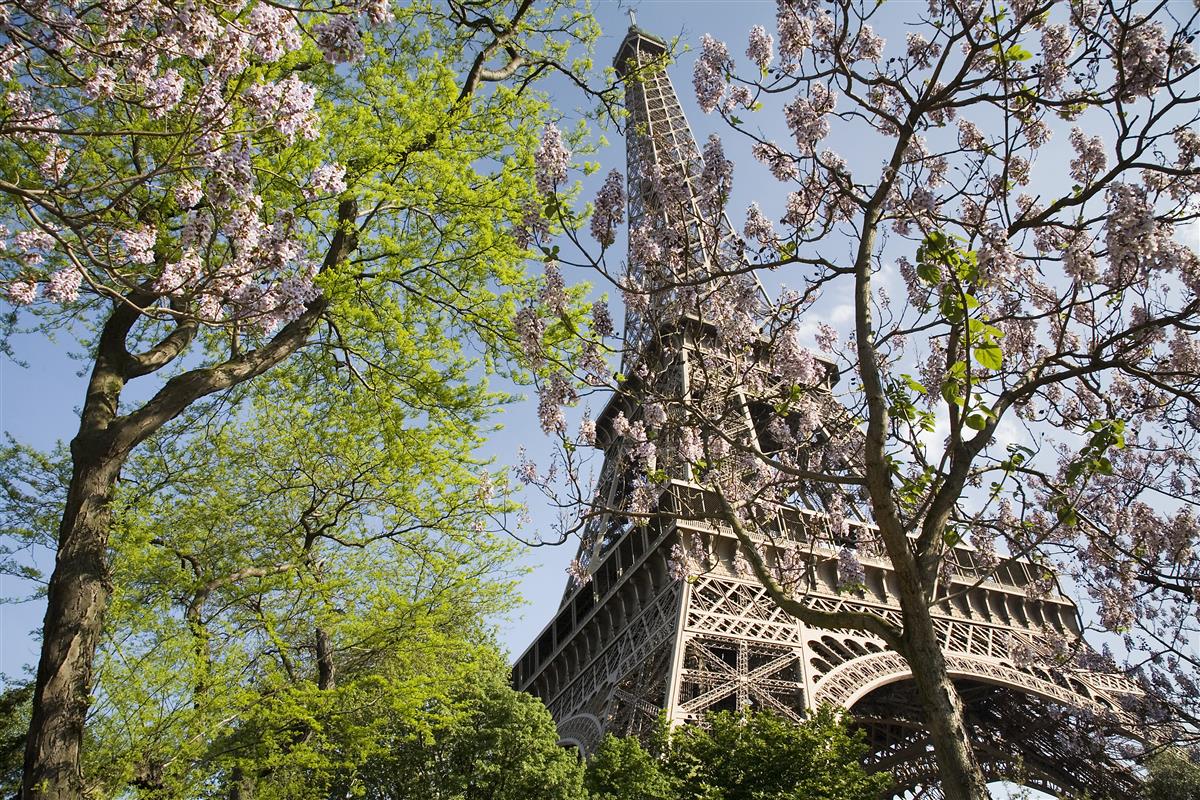
France Beyond Paris: 10 Iconic Destinations
France
France is more than just a destination; it is a symphony of art, a treasury of history, and a masterclass in the art of living. From the legendary boulevards of Paris to the sun-drenched coastal villages of the Mediterranean, this is a country that has spent centuries perfecting the balance between grandeur and intimacy. Whether you are drawn by the haunting beauty of a medieval abbey rising from the sea or the adrenaline-fueled peaks of the high Alps, France offers a depth of experience that caters to every sensibility. This guide explores 8 iconic locations that form the heart of the French identity, inviting you to savor each moment with the "joie de vivre" that the country is so famous for.
1. The Eiffel Tower: Paris's Eternal Iron Lady
Rising 330 meters above the Champ de Mars, the Eiffel Tower is the undisputed symbol of France and one of the most recognized structures in the world. Yet, it was not always the beloved icon it is today. When Gustave Eiffel completed this monumental iron lattice tower for the 1889 World's Fair, it was met with fierce criticism from the Parisian elite, who termed it a "ghastly iron monster." Today, it is impossible to imagine the Parisian skyline without its graceful, tapering silhouette, which has become a beacon of romance and engineering triumph.
The tower's three distinct levels offer a progression of perspectives on the "City of Light." The first floor features a thrilling glass floor that allows you to walk "in the air" above the heads of those queuing below. The second floor is widely considered the best vantage point for photography, providing a clear view of the Seine, the Arc de Triomphe, and the distant Sacré-Cœur. For those who reach the very top, the experience is crowned by a visit to the champagne bar, where you can toast to your visit at the highest point in Paris.
The magic of the tower truly reveals itself after dark. Every night, the tower is bathed in a warm golden glow, and on the hour, 20,000 flashbulbs sparkle for five minutes, turning the iron structure into a shimmering diamond. It is a spectacle that never fails to move the crowds gathered on the Trocadéro, reminding us why Paris remains the most romantic city on earth.
Travel Tip: France's high-speed rail network, the TGV, is one of the world's most efficient. Booking your tickets online via the SNCF website at least two months in advance can save you a significant amount on travel between major cities like Paris, Lyon, and Nice.
Luxury Insight: For a truly unforgettable evening, book a table at Le Jules Verne, the Michelin-starred restaurant located on the second floor of the Eiffel Tower. With a private elevator and unparalleled views, it offers the ultimate high-altitude dining experience.
2. The Louvre: A Palace of Infinite Treasures
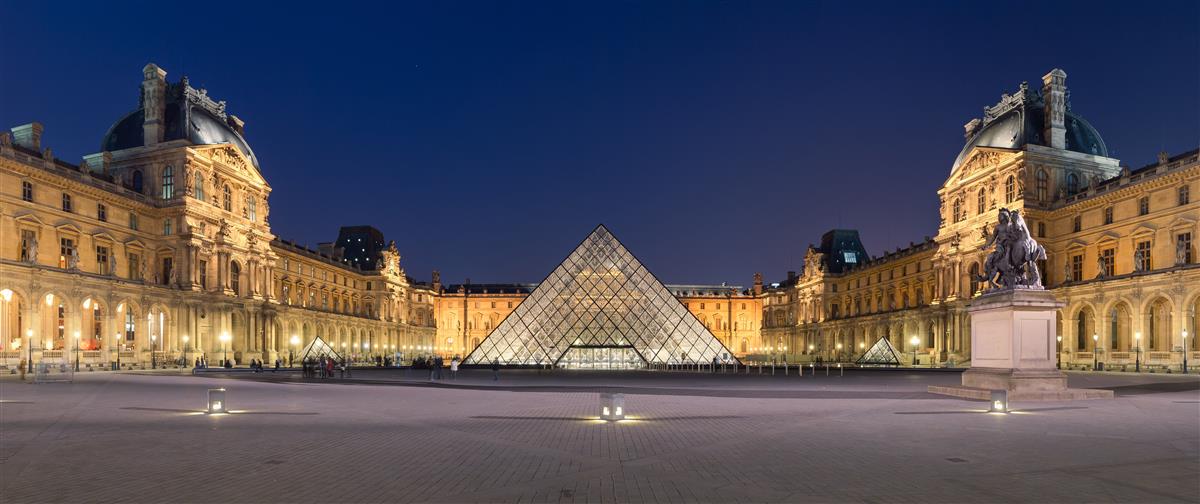
The Louvre is not merely a museum; it is a colossal palace of history that spans nearly 800 years of French architectural evolution. Once a fortress and later a royal residence, it was transformed into a museum during the French Revolution and now stands as the largest art museum on the planet. Its collections are so vast that it is estimated that even if you spent only thirty seconds looking at each piece, it would take you over a hundred days to see everything on display.
While the Mona Lisa is the museum's most famous resident, the Louvre's true power lies in its diversity. Across its three wings—Denon, Richelieu, and Sully—you can wander from the colossal statues of ancient Mesopotamia to the opulent apartments of Napoleon III, which shimmer with gilded carvings and crystal chandeliers. The iconic Glass Pyramid, designed by I.M. Pei, serves as a modern portal into this ancient world, reflecting the sky and the surrounding Renaissance facades in a perfect harmony of old and new.
Exploring the Louvre is a journey through the creative output of humanity. Whether you are gazing at the haunting "Winged Victory of Samothrace" at the top of the Daru staircase or getting lost in the subterranean foundations of the medieval castle, the Louvre provides a profound sense of the continuity of history. It is a place where every gallery offers a new discovery and every corridor leads deeper into the story of our civilization.
Travel Tip: To avoid the longest queues, enter through the "Carrousel du Louvre" underground shopping mall entrance rather than the main glass pyramid. The museum is closed on Tuesdays, so plan your visit for a Wednesday or Friday when it stays open until 9:45 PM for a quieter evening experience.
Luxury Insight: Hire a private specialized art historian for a "Masterpiece Tour" of the Louvre. A guided expert can help you navigate the labyrinthine galleries and provide deep context to the works of Vinci, Delacroix, and Michelangelo that you would otherwise miss.
3. Versailles: The Sun King's Gilded Universe
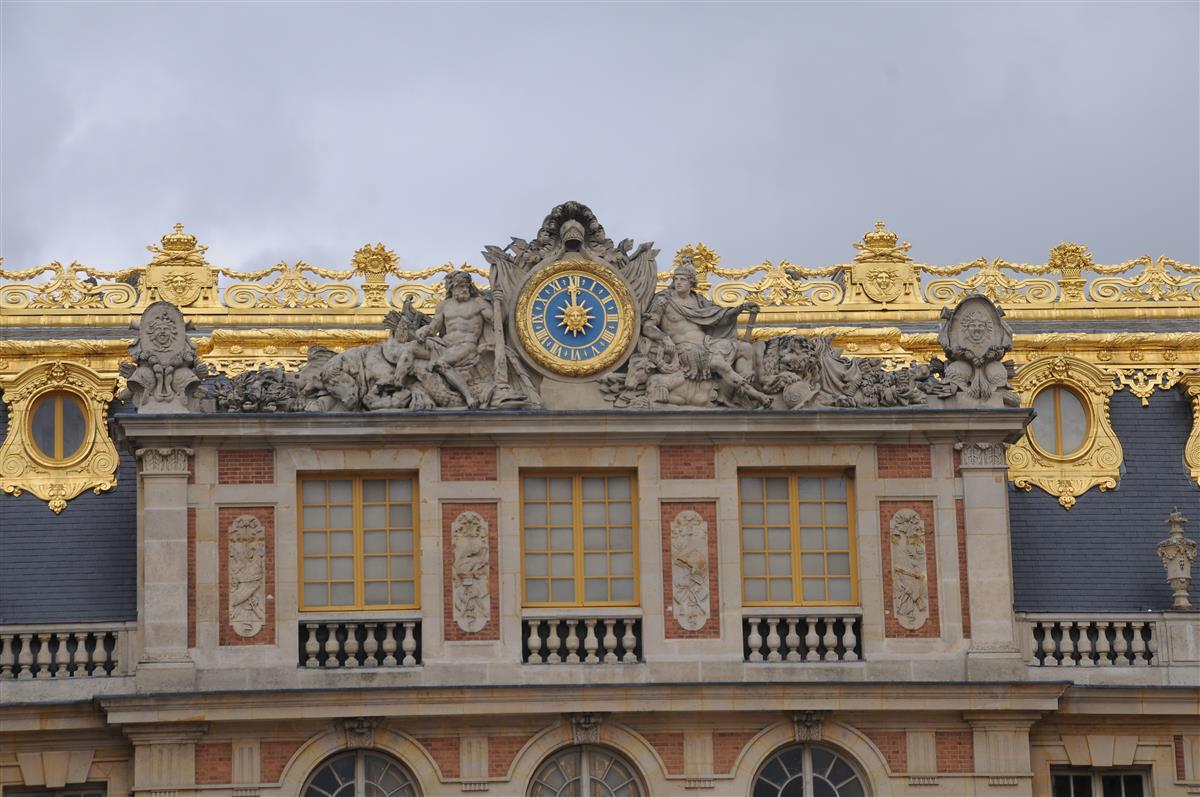
The Palace of Versailles stands as the ultimate expression of absolute monarchy and late-French Baroque art. Originally a modest hunting lodge, it was transformed by King Louis XIV, the "Sun King," into the most magnificent court in Europe. At its height, the palace could house over 10,000 members of the nobility and court staff, serving as the political and social center of the French kingdom until the Revolution in 1789.
The interior of the palace is a testament to the opulence of the era. The Hall of Mirrors (Galerie des Glaces) remains the most iconic room, its seventeen arched mirrors reflecting the gardens through seventeen matching windows. It was here that royal ceremonies were held, and later, where the Treaty of Versailles was signed to end World War I. Beyond the main palace, the estate includes the Grand Trianon and the Petit Trianon, the latter being the private refuge of Marie Antoinette, where she famously retreated to her rustic "Hameau de la Reine" to escape the rigors of court life.
The gardens of Versailles are equally impressive, designed by André Le Nôtre to be a masterclass in French symmetry. Spanning over 800 hectares, they feature meticulously trimmed lawns, ornate fountains, and hundreds of classical statues. During the summer months, the "Musical Fountains" show brings the gardens to life, as classical music accompanies the rhythmic play of the water, recreating the atmosphere of the Sun King's legendary garden parties.
Travel Tip: Versailles is an easy 40-minute train ride from central Paris via the RER C line. It is highly recommended to book a "Passport" ticket online, which includes access to all areas of the estate, to avoid having to buy multiple tickets on-site.
Luxury Insight: Stay overnight at the Airelles Château de Versailles, Le Grand Contrôle. This ultra-luxury hotel is located right within the palace grounds, offering private after-hours tours of the Hall of Mirrors and the gardens when all other visitors have gone.
4. Mont Saint-Michel: The Gravity-Defying Abbey
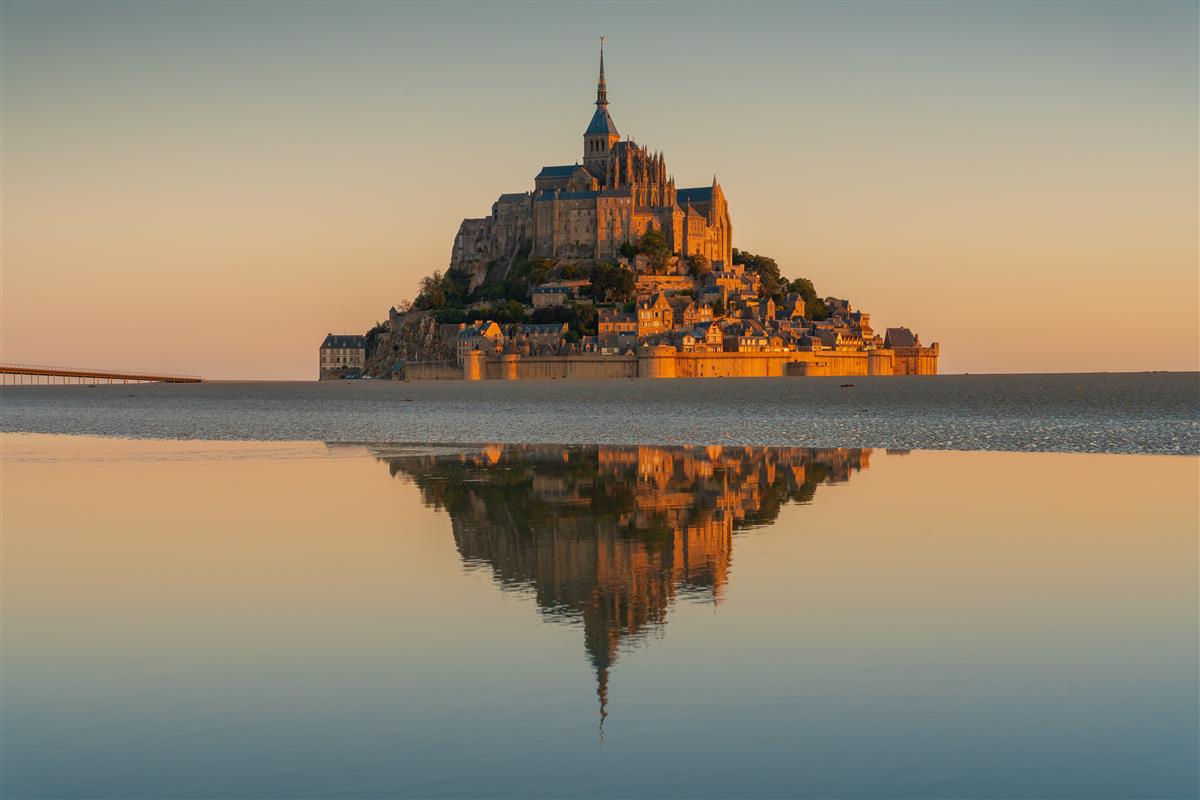
Emerging from the churning tidal waters of Normandy like a medieval mirage, Mont Saint-Michel is one of the most breathtaking sights in Europe. This rocky island is crowned by a Benedictine abbey that has been a major pilgrimage destination for Christian faithful for over a thousand years. The island's silhouette, with its spiraling village and towering gothic spire, seems to defy the laws of gravity and the sea, earning it its nickname, "The Wonder of the West."
Walking up the "Grande Rue," the main narrow street that winds its way up to the abbey, is like stepping back into the 15th century. Timber-framed houses lean over the cobblestones, now housing shops and restaurants that have served travelers for generations. At the summit, the abbey itself is a masterpiece of architectural layering, combining Romanesque naves with flamboyant Gothic cloisters that offer panoramic views across the bay where the sky and sea seem to merge into one.
The bay of Mont Saint-Michel is known for having some of the most powerful and fastest-moving tides in the world. For centuries, the island was accessible only at low tide, and even today, watching the sea rush in to completely surround the mount remains a mesmerizing experience. It is a place of immense spiritual power and natural drama, where the work of man and the forces of nature exist in a constant, spectacular dialogue.
Travel Tip: Wear comfortable walking shoes with good grip. The path to the abbey is steep and the stones can be slippery when wet. If the tide is out, do not walk across the bay's sands alone, as they can contain dangerous quicksand; always join a guided walk if you want to explore the flats.
Luxury Insight: Dined at the legendary "La Mère Poulard" to taste their world-famous omelet, cooked over an open wood fire in a traditional copper pan. It is a culinary tradition that has attracted everyone from kings to Hollywood stars for over 130 years.
5. The French Riviera: A Century of Glamour
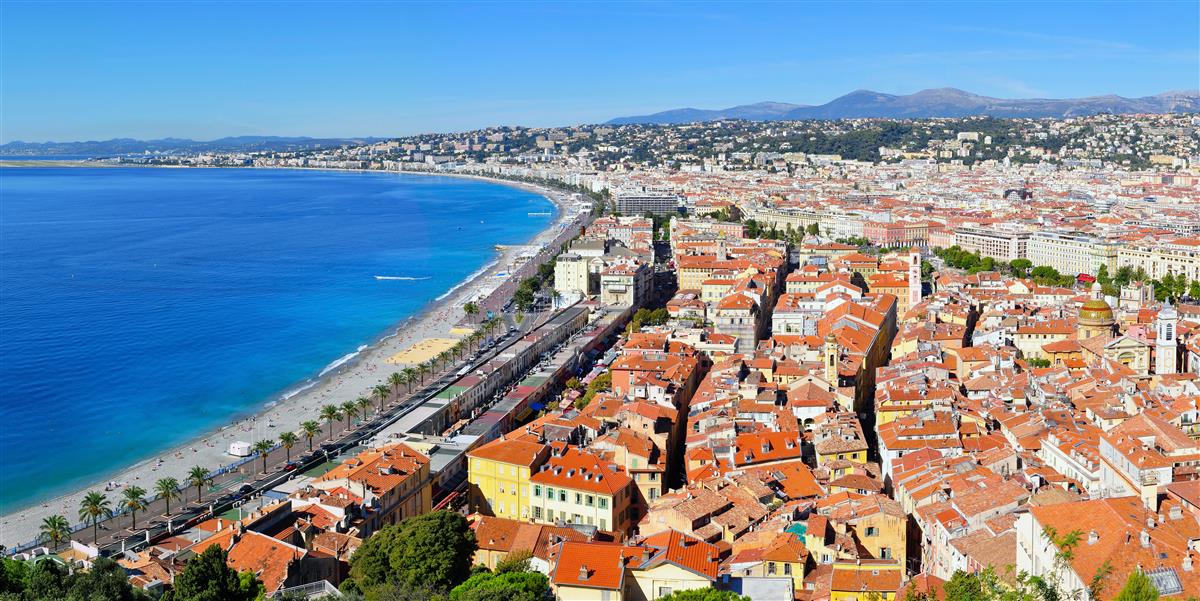
The Côte d'Azur, or French Riviera, has long been the gold standard for Mediterranean luxury and elegance. Stretching from the Italian border to Saint-Tropez, this sun-drenched coastline is a world of azure waters, palm-fringed boulevards, and hilltop villages that have inspired artists from Picasso to Matisse. Whether you are walking the "Promenade des Anglais" in Nice or watching the super-yachts in the harbor of Cannes, the Riviera exudes a feeling of effortless "chic" that is unique to southern France.
Each town on the Riviera has its own distinct personality. Nice, the "Queen of the Riviera," offers a bustling old town (Vieux Nice) and a vibrant market scene, while Antibes is home to the medieval Château Grimaldi and some of the world's most impressive private boats. For a change of pace, the medieval village of Èze, perched on a cliff 427 meters above the sea, offers some of the most spectacular views in the Mediterranean. The region's light is legendary—a brilliant, clear intensity that has drawn creative minds for over a century, as evidenced by the numerous art museums dotted along the coast.
Beyond the high-end boutiques and red carpets, the Riviera offers hidden natural gems. The "Sentier du Littoral" allows you to hike along the rocky coastline, discovering secluded coves where the water is so clear it looks like glass. It is a place where you can spend the morning at a bustling Provencal market and the afternoon at a sophisticated beach club, enjoying the very best of what the Mediterranean has to offer.
Travel Tip: The regional trains (TER) run frequently along the entire coastline and are a much better way to travel between Nice, Monaco, and Cannes than by car, as traffic can be very heavy and parking is often difficult and expensive.
Luxury Insight: Stay at the Hôtel du Cap-Eden-Roc in Antibes, arguably the most prestigious hotel in the world. Generations of royalty and film stars have stayed here, enjoying its private beach and its legendary basalt-rock-side infinity pool.
6. Loire Valley: The Garden of the Renaissance
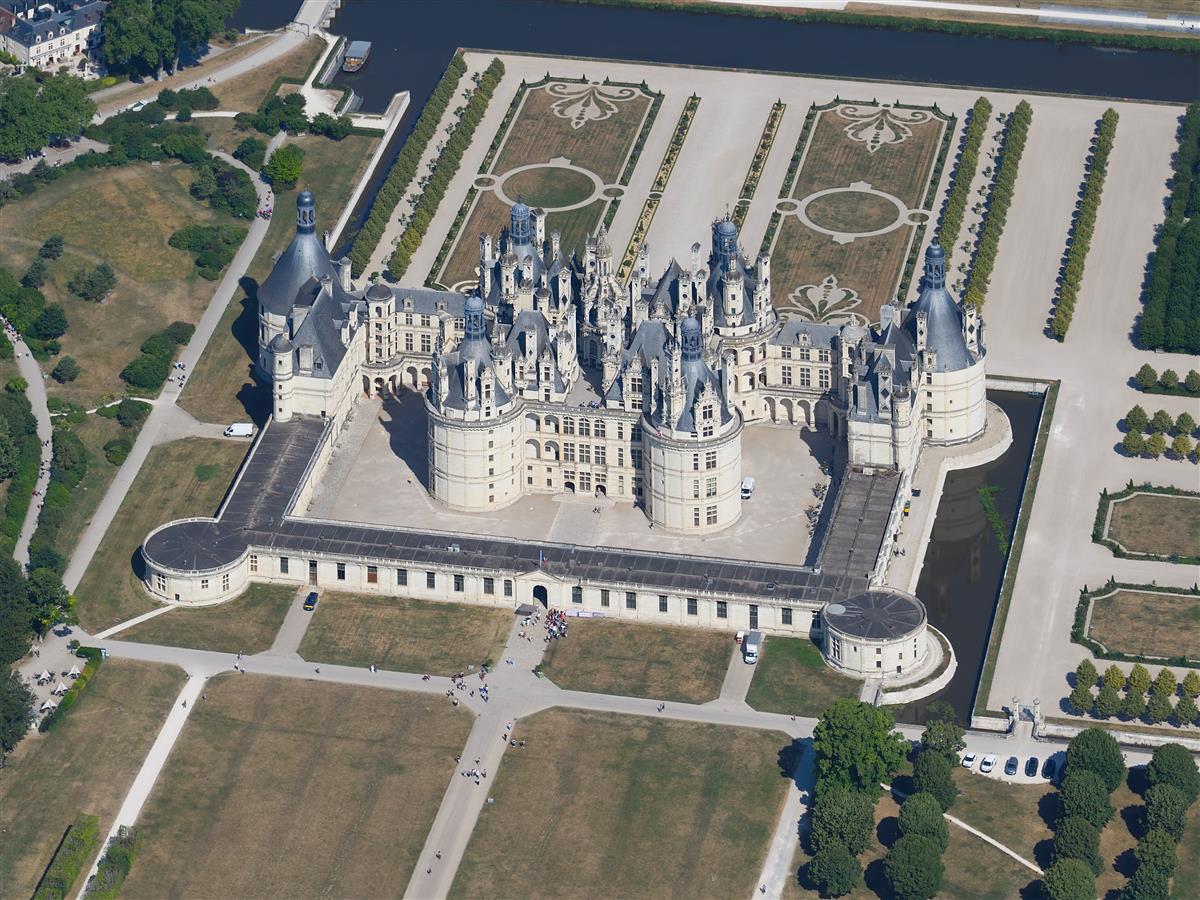
Often referred to as the "Garden of France," the Loire Valley is a land of rolling emerald hills, lush vineyards, and over 300 stunning châteaux. During the French Renaissance, the valley became the favored playground of kings and nobles, who competed to build the most ornate and innovative palaces along the banks of the Loire River. Today, it is a UNESCO World Heritage site and a breathtaking reminder of a time when central France was the heart of the artistic and political world.
The Château de Chambord is the valley's architectural heavyweight. Built as a hunting lodge for King Francis I, its roofline is a forest of chimneys and turrets that look like a miniaturized city. Inside, the famous double-helix staircase—widely believed to have been designed by Leonardo da Vinci—allows two people to ascend and descend without ever meeting. In contrast, the Château de Chenonceau, which arches gracefully over the River Cher, is known as "The Ladies' Château." Its elegant galleries and beautifully manicured gardens reflect the influence of the powerful women, including Diane de Poitiers and Catherine de Médici, who shaped its history.
The Loire Valley is also one of France's premier wine regions, famous for its crisp Sancerre and sparkling Vouvray. Traveling through the valley is best done at a slow pace—perhaps by bicycle along the "Loire à Vélo" trail—stopping at small villages to sample local cheeses and wines. It is a place where every bend in the river reveals a new castle and every forest hides a fairytale, making it the perfect destination for those who want to indulge in the romance of the French countryside.
Travel Tip: If you are visiting several châteaux, consider a multi-pass ticket which can be purchased at the first castle you visit. Many châteaux are spread apart, so renting a car is the most practical way to see the smaller, less-crowded gems like Villandry or Azay-le-Rideau.
Luxury Insight: Experience the valley from above with a private sunrise hot air balloon flight. Drifting over the turrets of Chenonceau or the vast forests of Chambord as the mist rises from the river is a truly magical and exclusive way to witness the majesty of the region.
7. Provence: A Sensory Paradise of Purple and Gold
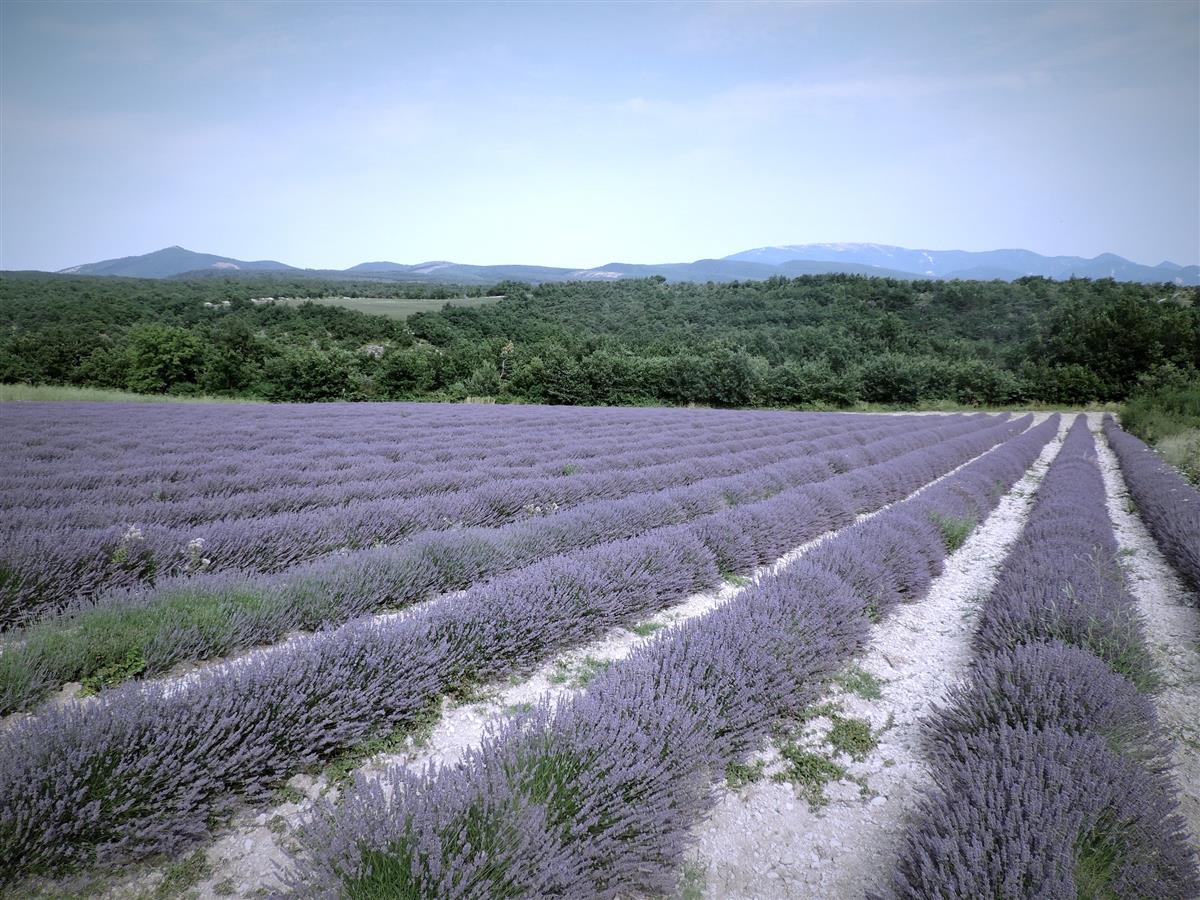
Provence is a region that engages every one of your senses. Located in southeastern France, it is a land of olive groves, ancient Roman ruins, and those legendary fields of lavender that turn the landscape into a sea of vibrant purple every summer. The light in Provence is remarkably clear and warm, a quality that famously drew Vincent van Gogh to Arles, where he produced some of his most legendary masterpieces. It is a place where time seems to slow down, dictated by the rhythm of the village markets and the late-afternoon game of "pétanque" in the dusty square.
The "lavender season" typically runs from mid-June to early August, with the Plateau de Valensole and the Luberon valley offering the most iconic views. But Provence offers beauty year-round. You can explore the Palais des Papes in Avignon, one of the most important medieval Gothic buildings in Europe, or walk across the Pont du Gard, a massive three-tiered Roman aqueduct that has stood for two thousand years. The Provencal markets are legendary, filled with the scent of wild herbs, local honeys, and the colorful textiles of the region, providing an authentic taste of the local culture and craftsmanship.
In the villages of the Luberon, like Gordes or Roussillon, you find house built directly into the red and ochre cliffs. Life here center around the "Art de Vivre"—long, leisurely lunches featuring fresh Mediterranean ingredients and the region's famous pale rosés. Whether you are hiking the Sentier des Ocres or simply sitting under the shade of a hundred-year-old plane tree, Provence offers a connection to the earth and the sun that is soul-restoring and deeply authentic.
Travel Tip: Lavender fields are at their peak in early July. Be prepared for crowds at the most famous spots like Valensole. To find quieter fields, head toward the Sault region where the lavender blooms slightly later due to the higher altitude.
Luxury Insight: For an ultra-exclusive stay, book a suite at La Bastide de Gordes. Perched on a cliff with uninterrupted views of the Luberon Valley, this historic hotel offers a world-class Sisley spa and access to some of the finest private vineyards in the region.
8. Chamonix and the French Alps: The Roof of Europe
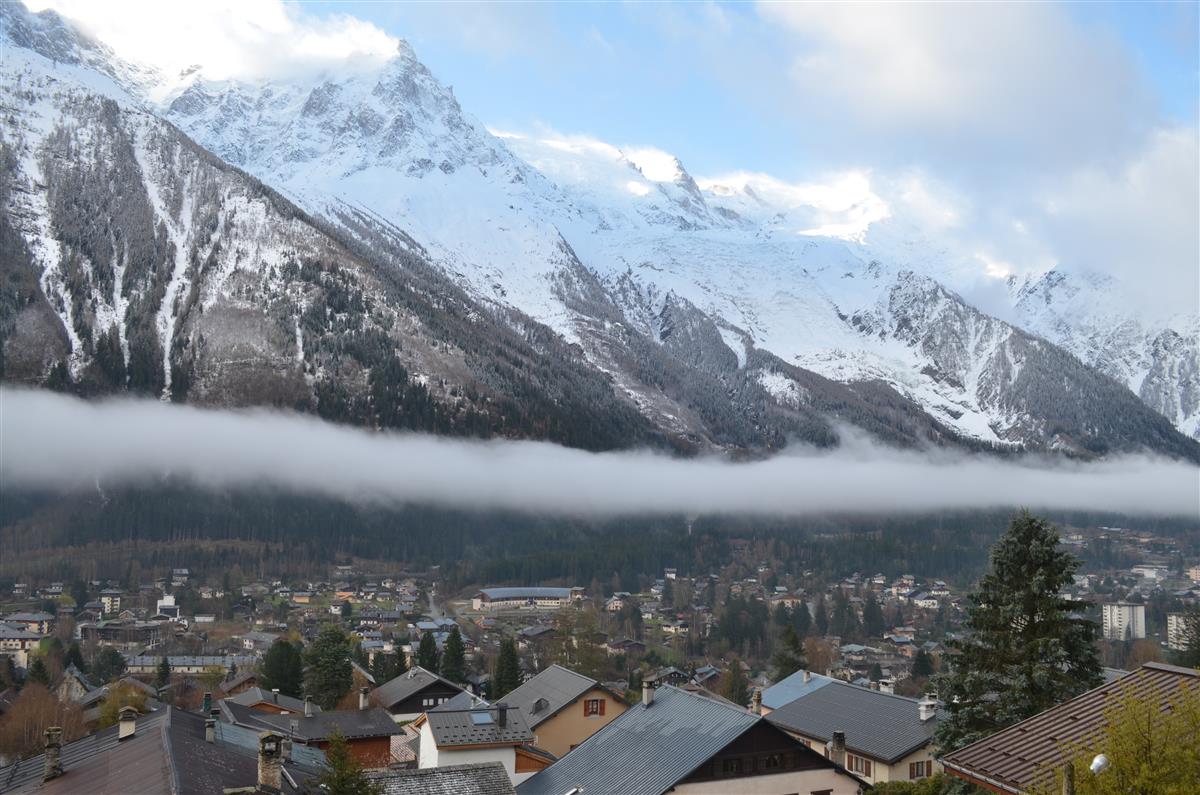
Chamonix-Mont-Blanc is more than just a ski resort; it is the historic capital of alpinism and the gateway to the highest peaks in Western Europe. Nestled at the base of the massive Mont Blanc (4,810m), this vibrant town has been attracting adventurers since the mid-18th century. Surrounded by jagged granite spires and blue-tinged glaciers, the landscape here is one of raw, untamed power that commands respect and awe in equal measure.
A must-do experience is taking the Aiguille du Midi cable car, which ascends from the valley floor to a height of 3,842 meters in just twenty minutes. At the top, you are greeted by a 360-degree panorama of the French, Swiss, and Italian Alps. For the truly brave, the "Step into the Void" experience—a glass room suspended over a 1,000-meter drop—offers a perspective that is literally breath-taking. In the valley below, the Mer de Glace (Sea of Ice) is one of the largest glaciers in the Alps, accessible via a nostalgic rack-and-pinion railway that has been carrying visitors since 1908.
While Chamonix is a winter paradise for skiers and snowboarders, it is equally captivating in the summer. The snow melts to reveal alpine meadows filled with wildflowers and crystal-clear lakes that reflect the surrounding peaks. The town itself has a sophisticated, international atmosphere, with high-end boutiques and cozy chalets that serve hearty Savoyard cuisine like Fondue and Tartiflette. It is a place where you can experience the absolute silence of the high mountains and the lively energy of a cosmopolitan mountain town in the same afternoon.
Travel Tip: High-altitude sun is extremely strong, even on cloudy days; always wear high-SPF sunscreen and polarized sunglasses when visiting the Aiguille du Midi. Check the weather forecast and lift status every morning, as mountain conditions can change rapidly.
Luxury Insight: Stay at "Hameau Albert 1er," a family-run five-star hotel that balances traditional Alpine charm with modern luxury. Its Michelin-starred kitchen is legendary, and the outdoor pool offers a serene view of the glaciers under the moonlight.
The Endless Allure of France: France is a country that never ceases to surprise and delight. From the first glimpse of the sparkling Eiffel Tower to the final sunset over the lavender fields of Provence, every journey here is a collection of memories waiting to be made. We hope this guide inspires you to cross the channel or the ocean and discover the infinite magic of France for yourself. Bon voyage!