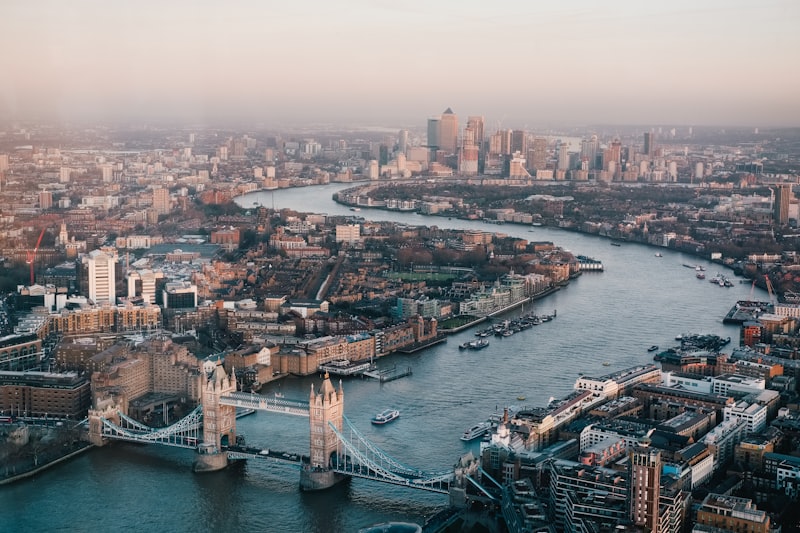
Royal Charm: 10 Best Places in the UK
United Kingdom
The United Kingdom is a land where history is etched into every stone, and where the echoes of a global past resonate through modern, cosmopolitan cities and timeless, rolling landscapes. It is a nation of four countries, each with its own deep character—from the regal pageantry of London and the academic hallowed halls of Oxford to the wild, mist-shrouded peaks of the Scottish Highlands and the rugged, Celtic coastlines of Wales and Northern Ireland. Traveling through the UK is a journey into the soul of a kingdom that has shaped the modern world, offering a luxury of experiences that range from Michelin-starred urban dining to the quiet, ancient silences of a Neolithic monument. This guide presents 8 essential destinations that define the royal charm and atmospheric beauty of the British Isles.
1. Big Ben and the Palace of Westminster: The Heartbeat of a Nation
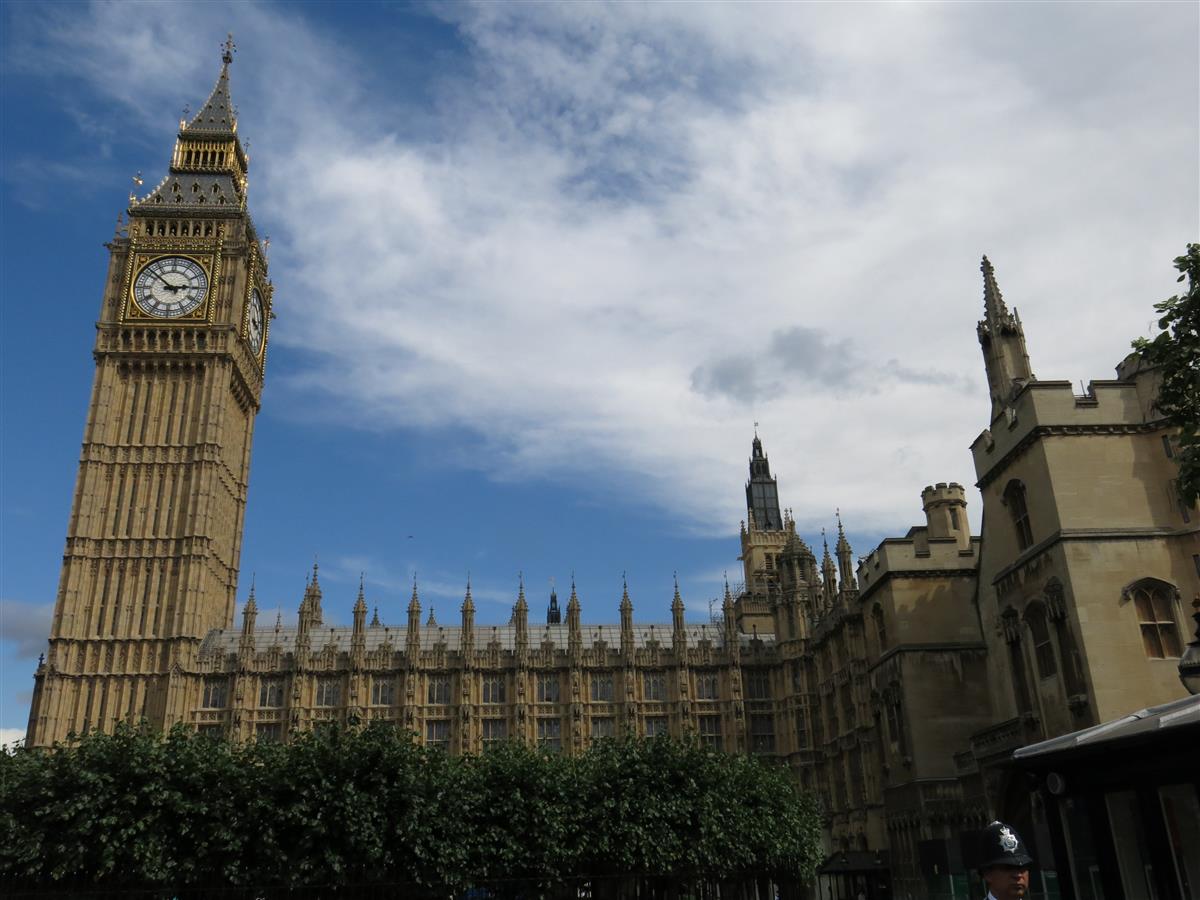
Dominating the skyline of London from the banks of the River Thames, the Palace of Westminster and its iconic clock tower, commonly known as Big Ben, are the most recognizable symbols of British democracy and royal heritage. The "Elizabeth Tower," as the tower is officially named, houses the Great Bell whose resonant, deep chimes have marked the passing of time for the world since 1859. The Neo-Gothic architecture of the palace, with its intricate stonework and golden spires, represents the weight of centuries of political history, standing as a proud testament to the "Mother of Parliaments."
Walking across Westminster Bridge at sunset, as the golden light hits the Victorian masonry, is a quintessential London experience. The palace is not just a historical monument but a living, breathing center of power. Inside, the House of Lords and the House of Commons are theaters of debate where the future of the nation is decided amidst the splendor of oak paneling and red and green leather. The surrounding area, including Westminster Abbey where kings and queens have been crowned for a millennium, forms a dense concentration of history that is truly unparalleled in the Western world.
Exploring this area reveals the intricate layers of the British identity—a mixture of deep tradition and constant adaptation. Whether you are listening to the chimes of the Great Bell from the South Bank or taking a guided tour of the ornate royal galleries, the presence of Westminster serves as a constant reminder of London's role as a global capital. It is a place where the architecture of the past provides a dignified frame for the politics of the present, standing as an elegant guardian of the Thames.
Travel Tip: To see Big Ben and the palace without the massive crowds, visit early on a Sunday morning or during the late evening when the buildings are beautifully floodlit. Tours of the Houses of Parliament are available to both UK and international visitors but should be booked well in advance through the official Parliament website.
Luxury Insight: Stay at The Savoy, London's most legendary hotel. Book a "Personality Suite" with a river view to enjoy the vista of the Thames and the distant spires of Westminster from the same rooms that once hosted royalty and icons like Winston Churchill.
2. Stonehenge: The Silent Mystery of the Ancients
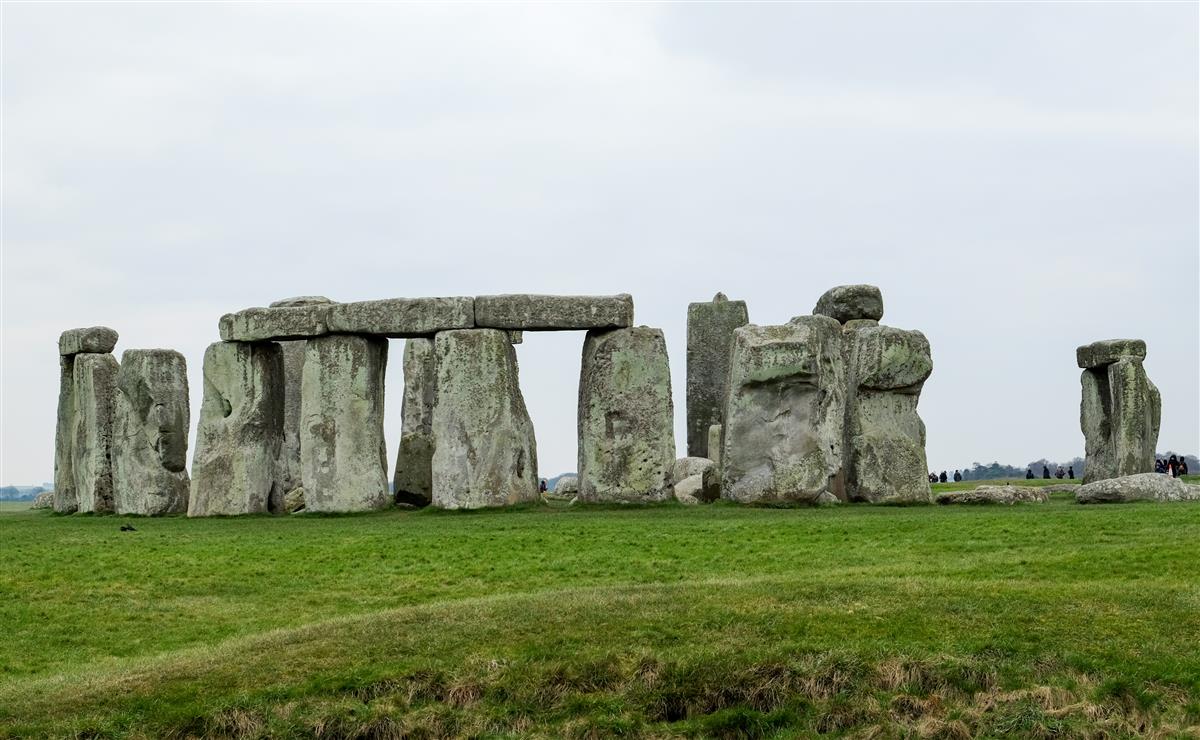
Rising from the flat, green expanse of the Salisbury Plain, Stonehenge is arguably the world's most famous prehistoric monument and a site of profound archaeological mystery. Built in several stages starting over 5,000 years ago, this massive circle of standing stones continues to baffle and inspire scientists and spiritual seekers alike. The sheer engineering required to transport these "sarsen" stones—some weighing up to 25 tons—from miles away, and the smaller "bluestones" from over 150 miles away in Wales, is a staggering testament to the determination of Neolithic people.
The true purpose of Stonehenge remains a subject of intense debate. Was it a temple for sun worship, a celestial calendar for predicting the solstice, a healing sanctuary, or a royal burial ground? Standing near the stones, particularly during the ethereal light of dawn or dusk, you can feel the heavy atmosphere of a place that has been sacred for millennia. The alignment of the stones with the midsummer sunrise and the midwinter sunset suggests a deep and precise understanding of the heavens by a people we are only beginning to truly understand.
Visiting Stonehenge today is a well-managed experience that allows you to walk the periphery of the circle while listening to the silence of the plain. The modern visitor center nearby provides a fascinating context, displaying artifacts found on the site and reconstructions of the dwellings used by the builders. Stonehenge is a place where the modern world falls away, leaving you alone with the massive, silent witnesses to a forgotten era of human history. It is a humbling and essential stop on any journey through the ancient landscapes of Britain.
Travel Tip: Stonehenge requires timed-entry tickets. To avoid the busiest peak hours (midday), aim for the "Early Morning" or "Late Afternoon" slots. For a truly unique experience, book a "Stone Circle Experience" tour, which allows a small group of people to walk inside the inner circle of stones before or after the site opens to the general public.
Luxury Insight: Stay at Lucknam Park Hotel & Spa, a magnificent Palladian mansion set in 500 acres of parkland near Bath. It is the perfect base for exploring Stonehenge and the surrounding Cotswolds in absolute five-star comfort.
3. Edinburgh Castle: The Fortress on the Rock
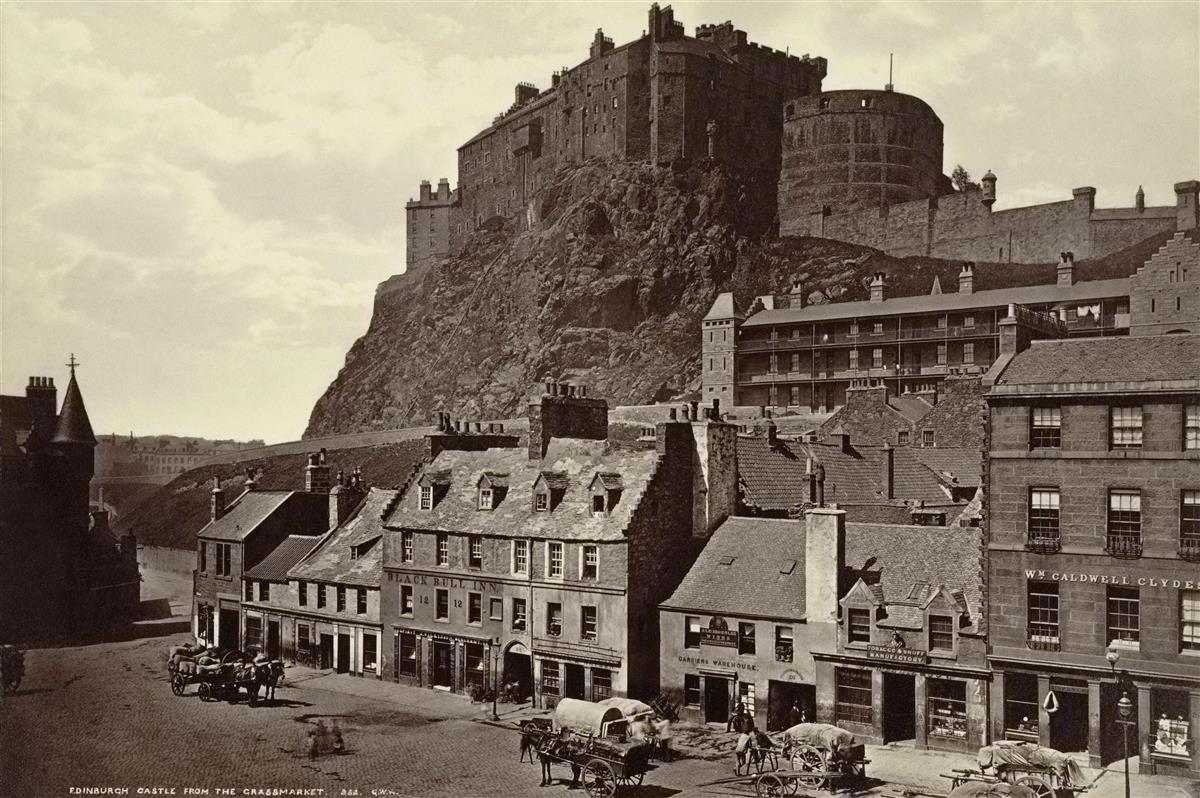
Perched dramatically atop Castle Rock, an extinct volcano that looms over the Scottish capital, Edinburgh Castle is a fortress that has dominated the skyline for over a thousand years. It is a place of deep royal connection, having served as a royal residence for Scottish monarchs for centuries and witnessing some of the most pivotal events in the history of the United Kingdom. From the ancient St. Margaret's Chapel—the oldest building in Edinburgh—to the massive medieval siege gun, Mons Meg, the castle is a lived-in museum of war and royalty.
Walking through the castle gates, you are entering a world of stone and shadow. The Crown Room houses the Honors of Scotland (the Scottish Crown Jewels), which are the oldest regalia in the Britain, and the legendary Stone of Destiny, used for centuries in the coronation of Scottish kings. Every day at 1:00 PM (except Sundays), the "One O'Clock Gun" is fired from the battery, a tradition that has signaled the time to ships in the harbor for over 150 years and continues to startle visitors today.
The views from the castle walls are the best in the city, offering a panoramic look at the medieval Old Town and the elegant Georgian architecture of the New Town. Edinburgh Castle is more than just a historical site; it is the physical and spiritual heart of Scotland. Whether you are exploring the poignant Scottish National War Memorial or the dark vaults of the royal prisons, the castle is an essential experience that captures the rugged, noble, and defiant spirit of the North.
Travel Tip: The castle is almost entirely uphill and involves steep, cobbled paths. Wear comfortable shoes. To beat the largest crowds, particularly during the Edinburgh Festival in August, go first thing in the morning when the gates open. Tickets are often cheaper and more available if booked online in advance.
Luxury Insight: Book a private "After Hours" tour of the Crown Jewels followed by a whiskey tasting in the Queen Anne Building. For the ultimate stay, book the Royal Suite at the nearby Waldorf Astoria Edinburgh - The Caledonian, which offers direct views of the castle from your bathtub.
4. The Roman Baths: An Ancient Spa Heritage
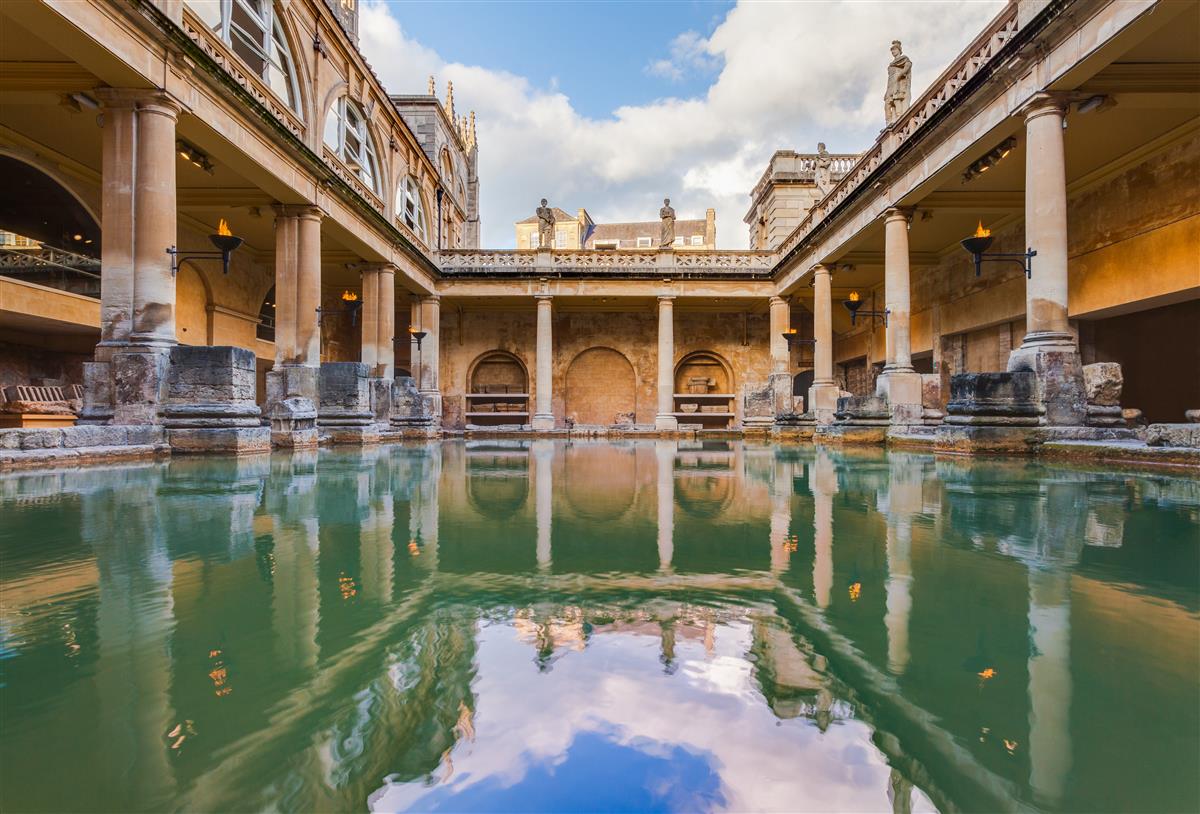
In the heart of the city of Bath, a UNESCO World Heritage site, lies one of the most remarkable archaeological finds in Northern Europe: the Roman Baths. Built around Britain's only natural hot spring nearly 2,000 years ago, the site was the social and spiritual hub of the Roman city of Aquae Sulis. The Great Bath, with its steaming, lead-lined pool and surrounding colonnades, still contains the same naturally heated water that once refreshed Roman legionaries and elegant citizens alike.
A visit to the baths is an immersive journey into the sophisticated engineering of the Roman world. You can see the intricate hypocaust system that once heated the marble floors and the sacred spring where Romans threw messages and offerings to the goddess Sulis Minerva. The modern museum built around the ruins displays a vast collection of artifacts, including the famous gilt-bronze head of the goddess and over 12,000 Roman coins found in the spring. The atmosphere is one of damp, ancient stone and the constant, soft sound of flowing water.
While you can no longer swim in the original Roman pools, the heritage of Bath as a center of wellness continues just a short walk away at the modern Thermae Bath Spa. The Roman Baths are a place where the luxury of the ancient world feels tangible, standing as a beautiful and haunting reminder of the shared history between the Mediterranean and the British Isles. It is a site that managed to turn a natural geological quirk into a masterpiece of social architecture.
Travel Tip: The Roman Baths are most atmospheric in the early morning or evening. During the summer months, the site is open late and illuminated by torchlight, providing a truly magical experience. Don't forget to try the famous mineral-rich spa water at the Pump Room restaurant afterward—it is an acquired taste!
Luxury Insight: Stay at The Gainsborough Bath Spa, the only hotel in the UK with direct access to the city's natural thermal waters. Their "Spa Village" suites allow you to enjoy the same minerals that the Romans did, but in the privacy of your own five-star bathroom.
5. Lake District: A Landscape of Poets and Painters
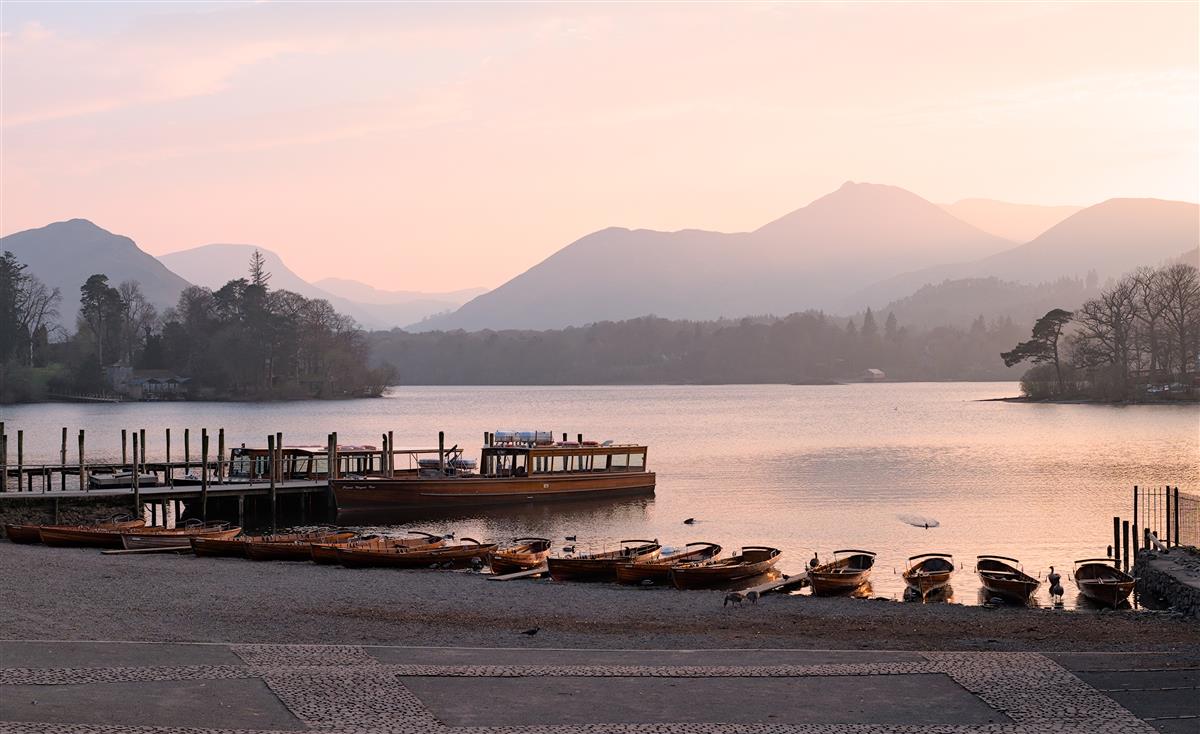
The Lake District National Park in Northwestern England is a landscape of such staggering natural beauty that it has inspired generations of poets, writers, and artists, most notably William Wordsworth and Beatrix Potter. It is a region defined by dramatic glacial valleys, shimmering lakes (locally called meres or waters), and rugged mountain peaks known as "fells." From the wide expanse of Windermere—the largest lake in England—to the narrow, mirror-like stillness of Derwentwater, the area offers a sense of romantic wilderness that is unique in the UK.
Exploring the Lake District is an exercise in slow travel. You can take a vintage steam yacht across the water, walk the "coffin routes" over the hills, or explore the stone-built villages like Grasmere and Keswick. The area is also a culinary center, famous for its Grasmere Gingerbread, Cumberland sausages, and a growing number of Michelin-starred restaurants tucked into historic inns. The light in the Lakes is famously changeable; one moment the fells are bathed in golden sun, and the next they are disappearing into a dramatic, atmospheric mist.
Whether you are summiting Scafell Pike (the highest mountain in England) or simply sitting on a wooden bench by the shore of Ullswater, the Lake District provides a profound sense of peace and connection to the natural world. It is a place where the scale of the mountains and the depth of the water remind us of the power of the landscape, standing as a timeless and majestic sanctuary in the heart of the North.
Travel Tip: The weather in the Lake District can change in minutes, even in the height of summer. Always carry a waterproof jacket and wear sturdy boots if you plan to walk on the fells. Using the local bus network is often easier than driving, as the narrow country lanes can become very congested during peak season.
Luxury Insight: Book a "Lake View Loft" at Another Place, The Lake, located on the shores of Ullswater. Their glass-walled rooms and infinity pool offer a seamless connection to the landscape, allowing you to watch the mist move over the water from your bed.
6. Tower of London: A Fortress of Secrets and Jewels
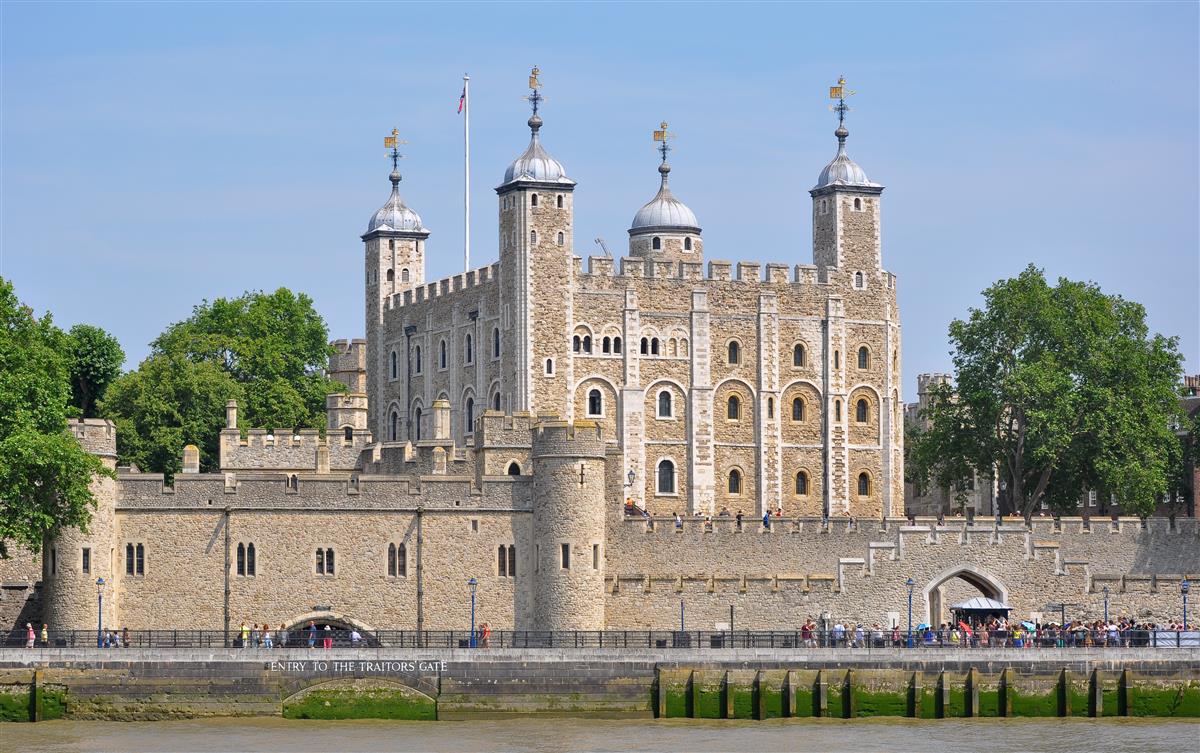
Standing on the north bank of the River Thames, the Tower of London is a 900-year-old fortress that has served as a royal palace, a notorious prison, an armory, a zoo, and the home of the Crown Jewels. Built by William the Conqueror in the 1070s to strike fear into the hearts of Londoners, the White Tower at its center remains one of the finest examples of Norman military architecture in the world. It is a place where every stone has a story—often a dark or bloody one—of power, intrigue, and imprisonment.
The Tower is famously guarded by the Yeoman Warders, better known as Beefeaters, who have been the ceremonial guardians of the fortress since the Tudor era. A tour with a Yeoman Warder is an essential experience, filled with stories of the princes in the Tower, the execution of Anne Boleyn, and the legend of the Ravens—if the birds ever leave the Tower, the Kingdom will fall. Beyond the ghost stories, the Jewel House is the highlight for most, housing the Crown Jewels of the United Kingdom, including the Imperial State Crown and the massive Cullinan I diamond.
Walking the battlements provides a unique perspective of the modern London skyline, with the Shard and the glass skyscrapers of the City rising just a few hundred yards from these ancient walls. The Tower of London is a physical manifestation of the continuity of the British state, a place where history is not just preserved but is part of the daily rhythm of the city. It is a fortress that has stood as a silent witness to the entire story of London, from its conquest to its current status as a global metropolis.
Travel Tip: To avoid the longest lines for the Crown Jewels, go directly to the Jewel House as soon as the Tower opens in the morning. Stay for the "Ceremony of the Keys," the nightly locking of the Tower gates, which has taken place every single night for over 700 years (tickets must be booked far in advance online).
Luxury Insight: Book a stay at Four Seasons Hotel London at Ten Trinity Square, located directly across from the Tower. Their heritage suites offer a view of the White Tower that is both regal and historical, and their "Private Tower Experience" can arrange for a more intimate look at the fortress after hours.
7. The Cotswolds: The Rural Soul of England
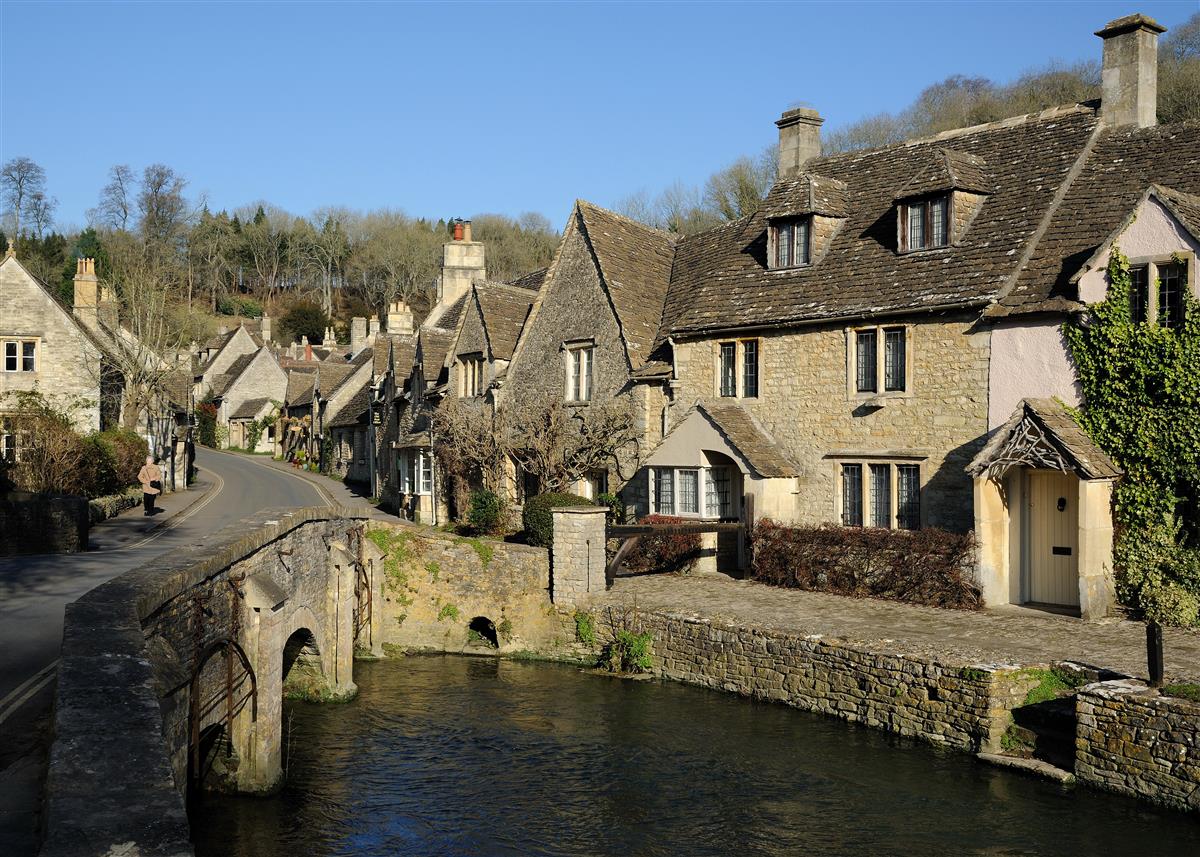
Defined by its rolling "wolds" (hills) and its signature honey-colored oolitic limestone, the Cotswolds is an Area of Outstanding Natural Beauty that captures the quintessential image of the English countryside. Spanning five counties, this region is a landscape of ancient woodlands, manor houses, and perfectly preserved villages like Castle Combe, Bibury, and Bourton-on-the-Water. It is a place where time seems to have slowed down, and the rural traditions of the "wool trade" that once made the area wealthy still echo through the massive "wool churches" that dominate many towns.
Traveling through the Cotswolds is a sensory experience of green fields, dry-stone walls, and the sound of bells from medieval towers. You can explore the ornate Italianate gardens of Hidcote, walk sections of the Cotswold Way, or browse the antique shops of Stow-on-the-Wold. The area is a haven of luxury hospitality, with some of the UK’s finest country house hotels and "gastro-pubs" serving high-end local produce. Every village has its own unique character, from the "Venice of the Cotswolds" (Bourton) to the hauntingly beautiful ruins of Minster Lovell Hall.
Whether you are wandering the lavender fields of Snowshill in the summer or sitting by a roaring log fire in a 500-year-old inn during the winter, the Cotswolds offers a level of rural charm that is world-famous for a reason. It is a place that feels deeply and authentically English, a landscape that has been shaped by the hand of man and the passage of centuries to create a scene of pure, pastoral perfection. It is the perfect antidote to the pace of modern urban life.
Travel Tip: The best way to see the Cotswolds is by car, as public transport between the smaller villages is limited. If you are driving, be prepared for narrow lanes and limited parking in the most popular villages. Visit "The Slaughters" (Upper and Lower Slaughter) for a quieter and more authentic experience away from the main tourist hubs.
Luxury Insight: Book a suite at Thyme in Southrop, a "village within a village" that offers a highly sophisticated take on Cotswold life. Their cookery school and botanical spa provide a deep-dive into the region’s connection to the land and artisanal luxury.
8. Isle of Skye: The Wild Majesty of the Highlands
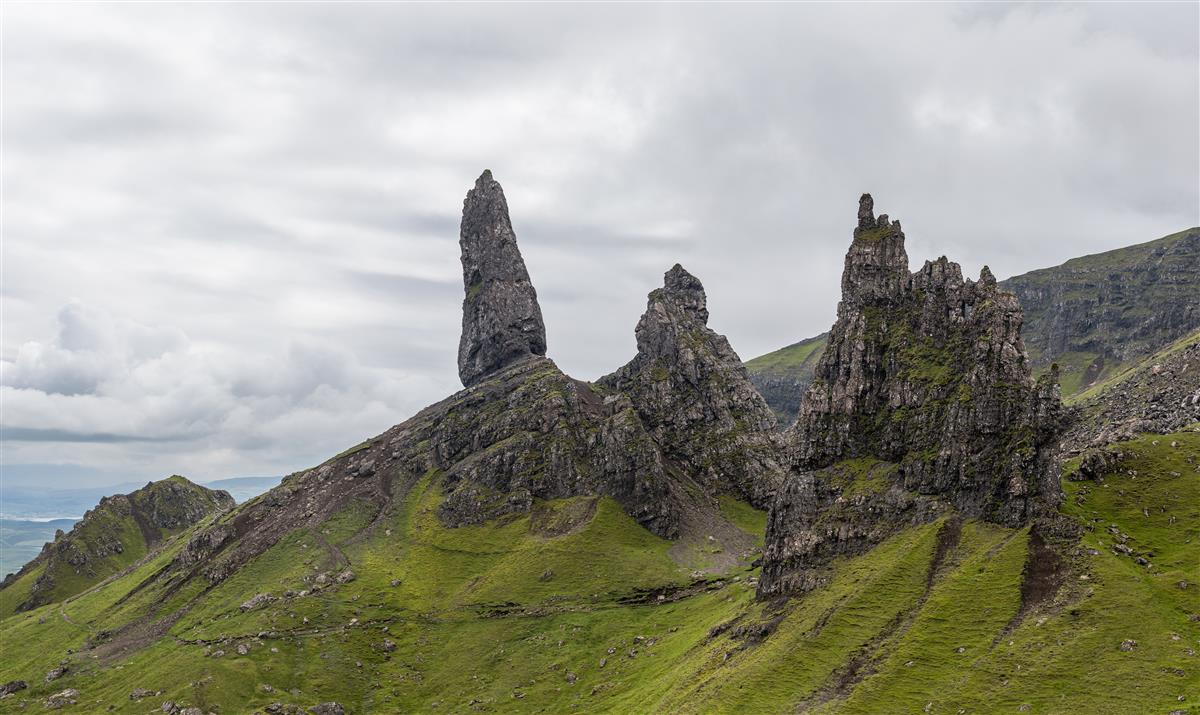
Off the west coast of Scotland, connected to the mainland by a soaring bridge, lies the Isle of Skye—a land of such dramatic, jagged beauty that it feels like the edge of the world. It is a place of epic landscapes, from the sharp, tooth-like peaks of the Cuillin Mountains to the surreal geological formations of the Trotternish Ridge. The "Old Man of Storr," a massive pinnacle of rock that stands like a giant over the Sound of Raasay, is the island's most iconic landmark and a destination for hikers from around the globe.
Skye is a landscape modeled by fire and ice. The "Quiraing" offers a world of hidden plateaus and rock pillars that feel truly medieval, while the "Fairy Pools" at the foot of the Black Cuillins provide crystal-clear, icy waters for the brave. The island's capital, Portree, with its row of colorful houses overlooking the harbor, is a warm and welcoming hub of Gaelic culture and fresh seafood. Skye is also a place of deep history, from the ancient Dunvegan Castle (the seat of Clan MacLeod for 800 years) to the traditional "blackhouses" and the haunting traces of the Highland Clearances.
The light on Skye is legendary among photographers—a constant drama of rainbows, thick Atlantic mists, and sudden, brilliant Northern sun. Whether you are tasting a "peaty" dram at the Talisker Distillery or listening to the wind howl over the Neist Point Lighthouse, the Isle of Skye offers a wild, untamed version of Scotland that is both humbling and exhilarating. it is a place where nature is still clearly the master, standing as a majestic and enduring jewel of the Inner Hebrides.
Travel Tip: Skye is extremely popular, and accommodation can be booked out a year in advance—plan early! The island is larger than it looks, and the single-track roads require careful driving. Bring a good "midge" repellent if you visit in the summer months, and always have a hat and gloves ready, regardless of the season.
Luxury Insight: Stay at The Three Chimneys and The House Over-By, a world-renowned restaurant with rooms located at the end of a long, scenic road. Their focus on hyper-local Skye produce—from Dunvegan lobsters to Vatten oysters—offers a gourmet experience at the very heart of the wilderness.
A Kingdom of Stories: The United Kingdom is a destination that reveals itself in layers. From the electric lights of London to the ancient silences of Skye, it is a country that thrives on the contrast between its royal traditions and its wild natural heart. We hope this guide serves as your map as you discover the endless charm and majestic history of this incredible land of kings, poets, and dreamers. Safe travels and Cheers!