Japan: A Journey Through Tradition and Future
Japan
Japan is a land of profound contrasts, where ancient traditions and cutting-edge technology exist in a delicate, beautiful balance. It is a place where you can find neon-lit skyscrapers across the street from centuries-old wooden temples, and where the silence of a Zen garden is just a short train ride away from the world's busiest intersections. This guide takes you on an immersive journey through 8 essential Japanese destinations—from the volcanic peaks of Mount Fuji to the tropical reefs of Okinawa—each offering a unique slice of the nation's rich and enduring spirit. We invite you to discover the "Land of the Rising Sun" through an authentic and luxury-focused lens.
1. Tokyo Tower: An Iconic Beacon of Renewal
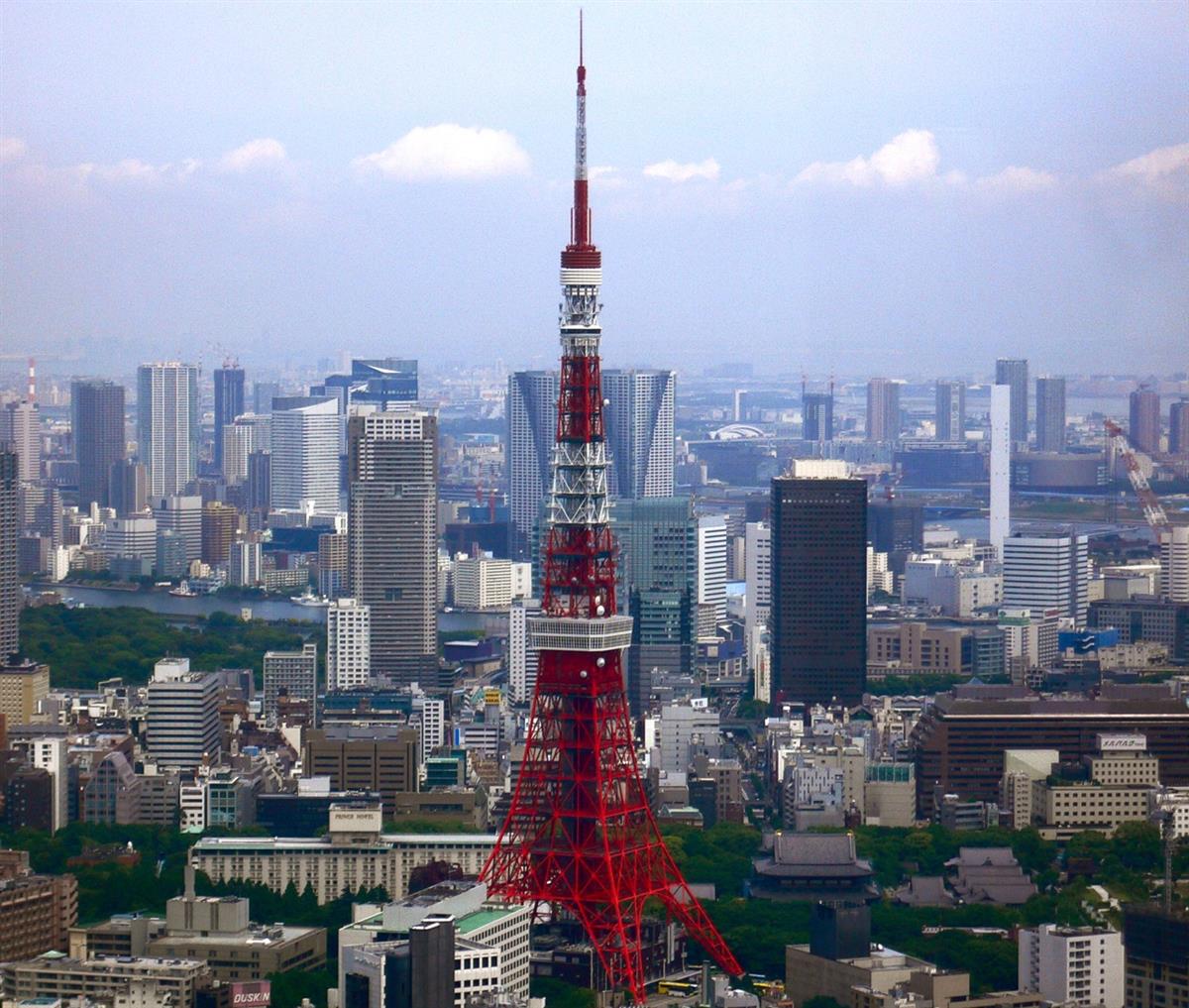
Rising like a crimson needle into the Tokyo sky, the Tokyo Tower is more than just a communications hub; it is a symbol of Japan's post-war resilience and rapid modernization. Inspired by the Eiffel Tower but standing slightly taller at 333 meters, this lattice structure in the Minato district has been a constant landmark since 1958. Its striking International Orange and white paint scheme ensures it remains visible against both the clear blue skies and the heavy morning fog of the metropolis.
The observation decks offer a panoramic view of Tokyo that is particularly breath-taking at night, when the city transforms into a carpet of shimmering lights. From the Top Deck, you can see all the way to Mount Fuji on a clear day, while the Main Deck features "Skywalk Windows" for those brave enough to look straight down through the glass floor. Surrounding the tower is Shiba Park, where you can find Zojoji Temple, creating a classic Tokyo scene of ancient temple architecture framed by the modern red tower.
Visiting Tokyo Tower provides a perfect orientation to the city. Whether you are enjoying the seasonal light displays or exploring the bustling "Foot Town" complex at its base, the tower remains a nostalgic and essential piece of the Tokyo experience, bridging the gap between the 20th century's ambitions and today's vibrant energy.
Travel Tip: Japan's rail system is world-renowned for its punctuality. Consider purchasing a Japan Rail Pass before you arrive to save significantly on long-distance travel between cities like Tokyo, Kyoto, and Hiroshima.
Luxury Insight: For a truly elevated experience, book a corner room at The Prince Park Tower Tokyo. Most suites offer a floor-to-ceiling view of Tokyo Tower, allowing you to watch the landmark light up from the comfort of your own bathtub.
2. Fushimi Inari Taisha: The Pathway of Ten Thousand Gates
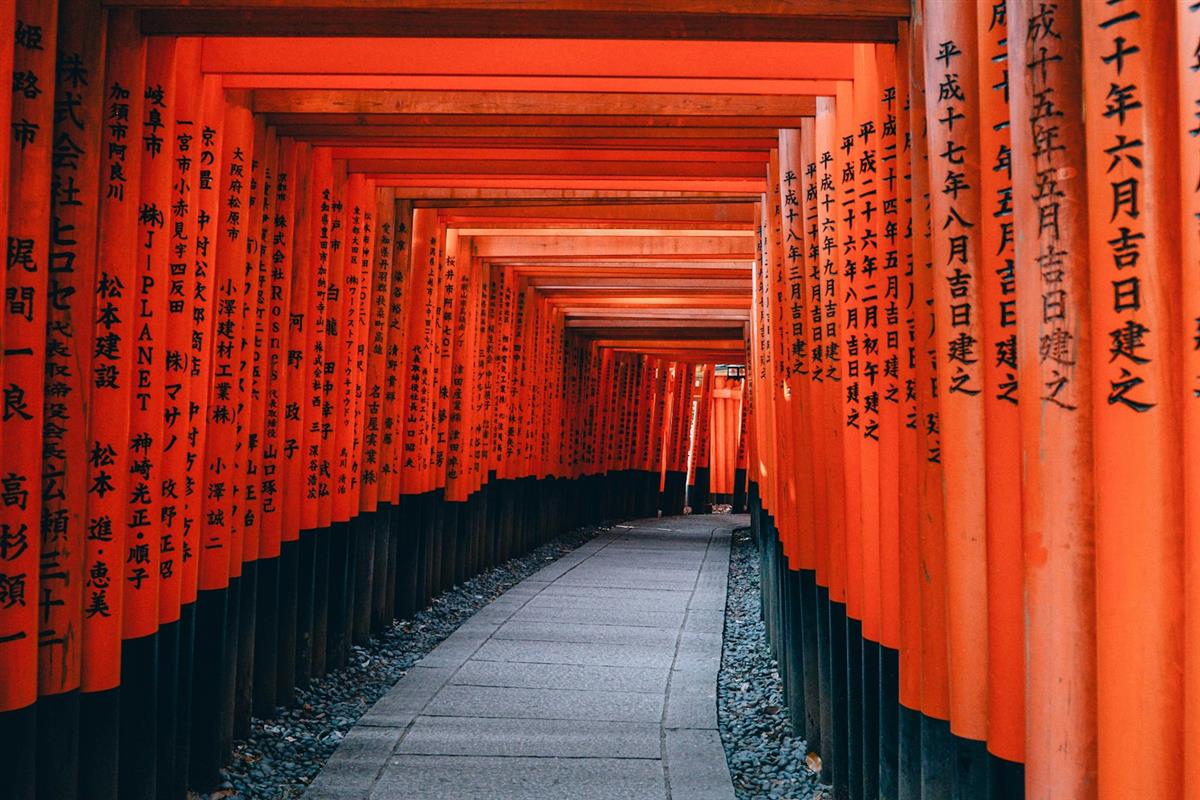
Located in southern Kyoto, Fushimi Inari Taisha is perhaps the most iconic Shinto shrine in all of Japan. It is dedicated to Inari, the Shinto god of rice and prosperity, and serves as the head shrine for thousands of smaller shrines across the country. What makes Fushimi Inari truly unique is the atmospheric tunnel of over 10,000 "Senbon Torii" (thousand torii gates) that winds its way up the sacred Mount Inari. Each gate is a donation from an individual or a company, with the names of the donors inscribed on the back in elegant black calligraphy.
As you walk deeper into the mountain pathway, the air cools and the sounds of the city fade, replaced by the rustle of bamboo and the occasional foxes carved in stone. Foxes (Kitsune) are considered the messengers of Inari, and you will see countless statues of them across the shrine grounds, often holding a key to the rice granary in their mouths. The hike to the summit takes about two to three hours, but the higher you climb, the thinner the crowds become, offering moments of profound spiritual silence and stunning views over Kyoto.
Whether you choose to walk the entire path or just a portion of it, Fushimi Inari is a sensory experience defined by the vibrant vermilion color of the gates contrasting against the deep green of the forest. It is a place where every step feels like a transition between the physical world and the sacred mountain realm.
Travel Tip: Fushimi Inari is open 24 hours a day and is free to enter. To avoid the heavy tourist crowds, visit at sunrise or late at night when the gates are beautifully illuminated by lanterns.
Luxury Insight: Arrange for a private traditional tea ceremony in a historic townhouse (Machiya) in the nearby Gion district after your visit to relax and reflect on your spiritual journey through the gates.
3. Mount Fuji: The Symmetrical Soul of Japan
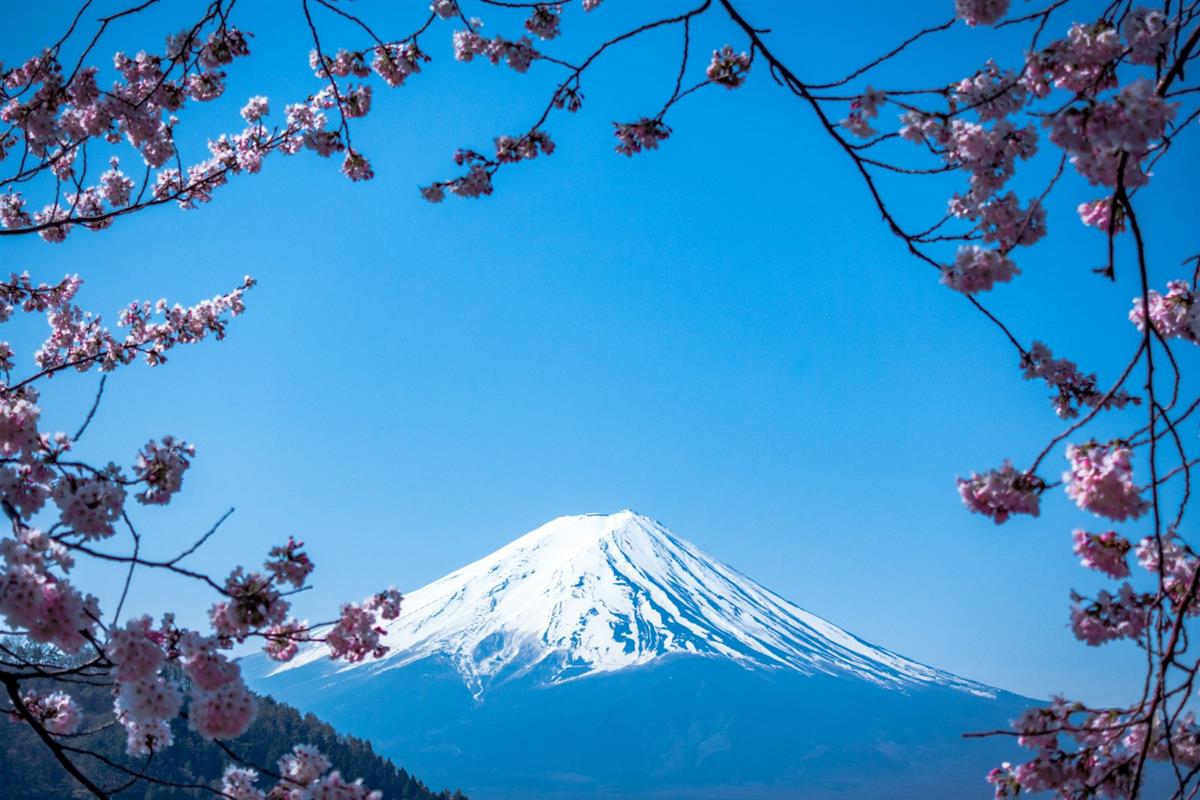
Standing at 3,776 meters, Mount Fuji is Japan's highest peak and an active volcano that has long been revered as a sacred mountain of unparalleled beauty. Its nearly perfect symmetrical cone is a global symbol of Japan, appearing in countless works of art, most famously Hokusai’s "Thirty-Six Views of Mount Fuji." For many Japanese, climbing the mountain is a once-in-a-lifetime pilgrimage to see the "Goraiko" (sunrise) from the summit, a moment of profound national and personal significance.
For those who prefer to view the mountain from a distance, the Fuji Five Lakes region offers spectacular vantage points. Lake Kawaguchi is particularly popular, where on a clear day, you can see the mountain reflected perfectly in the still waters—a phenomenon known as "Sakasa Fuji" or Reversed Fuji. In the spring, the nearby Chureito Pagoda offers the quintessential Japanese postcard view: a five-story red pagoda surrounded by cherry blossoms with the snow-capped peak of Fuji in the background.
Mount Fuji's presence is felt throughout the region, its volcanic history having shaped the local culture, cuisine, and landscapes. Whether you are soaking in an onsen with a view of the peak or hiking through the foothills, the mountain stands as a silent, majestic guardian of the Japanese spirit, commanding respect and inspiration from everyone who gazes upon it.
Travel Tip: The official climbing season for Mount Fuji is from early July to early September. If you plan to climb, make sure to book your mountain hut accommodation months in advance as they fill up quickly.
Luxury Insight: Experience the ultimate "Glamping" at Hoshinoya Fuji. Located on the slopes of Lake Kawaguchi, this minimalist luxury resort provides private cabins with fire-pits and panoramic views directly facing the mountain.
4. Osaka Castle: A Monument to Unity and Resilience
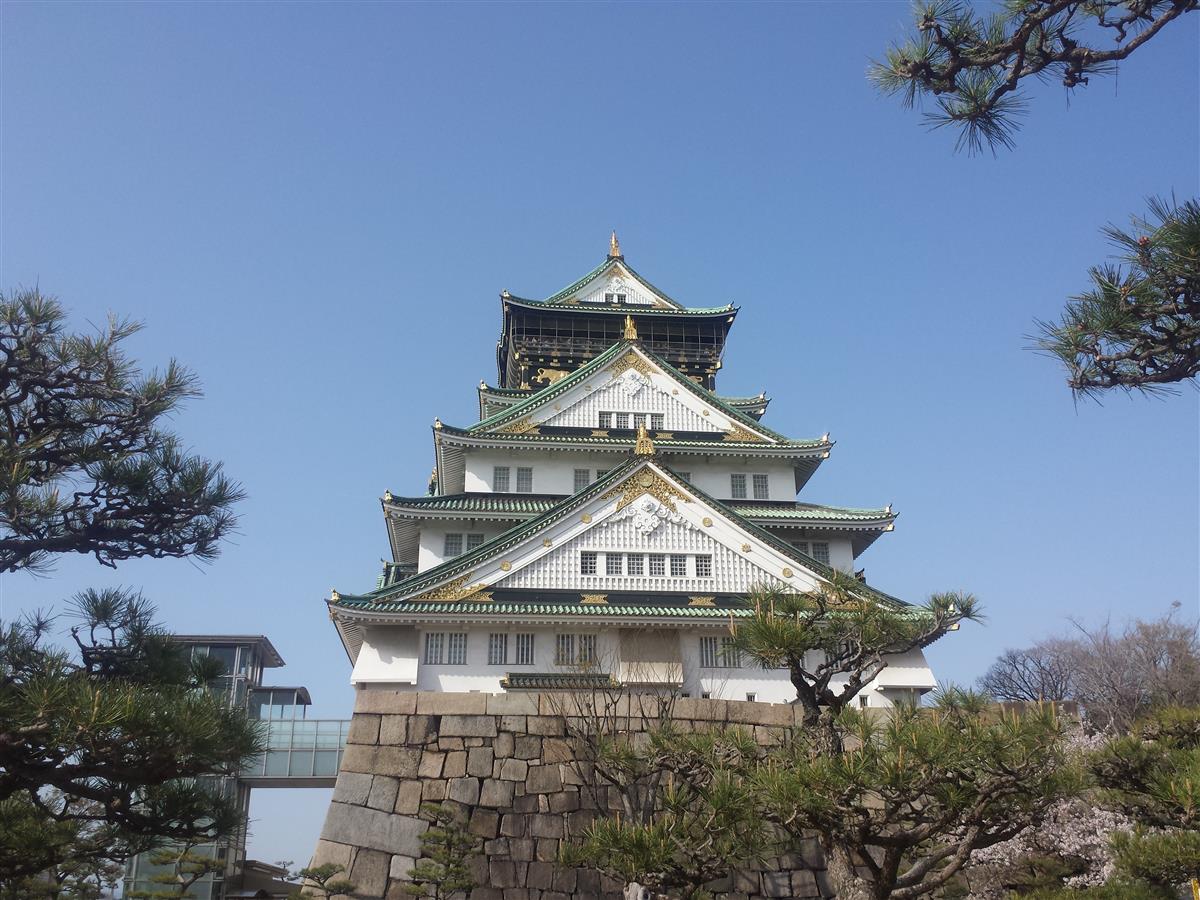
Osaka Castle is a stunning testament to the power and ambition of Toyotomi Hideyoshi, the great unifier of Japan who originally built the fortress in 1583. While the current structure is a 20th-century reconstruction, it faithfully recreates the grandeur of the original, with its white-and-gold appearance and massive stone walls that were once considered impenetrable. The castle is surrounded by a vast park and a double moat, creating a peaceful green oasis in the heart of the energetic metropolis of Osaka.
The interior of the castle houses a modern museum that chronicles the life of Hideyoshi and the turbulent history of the Sengoku (Warring States) period. Interactive exhibits and original artifacts, including samurai armor and weapons, bring the history of the castle to life. The highlight for many is the observation deck on the top floor, which offers a 360-degree view of the city, showing the contrast between the historic castle grounds and the surrounding modern skyscrapers.
The Osaka Castle Park is especially beautiful during the cherry blossom season, when thousands of trees bloom across the lawns, making it one of the city's most popular "hanami" (flower viewing) spots. It is a place where you can feel the weight of Japan's feudal history while standing in a city that is now at the forefront of the country's culinary and commercial life.
Travel Tip: Osaka is known as "Japan's Kitchen." After visiting the castle, head to the Dotonbori district to sample some of the world's best street food, like Takoyaki (octopus balls) and Okonomiyaki (savory pancakes).
Luxury Insight: Stay at its neighboring hotel, The Ritz-Carlton Osaka, which offers an 18th-century European aesthetic combined with impeccable Japanese service, just a short drive from the castle grounds.
5. Hiroshima Peace Memorial Park: A Message of Hope
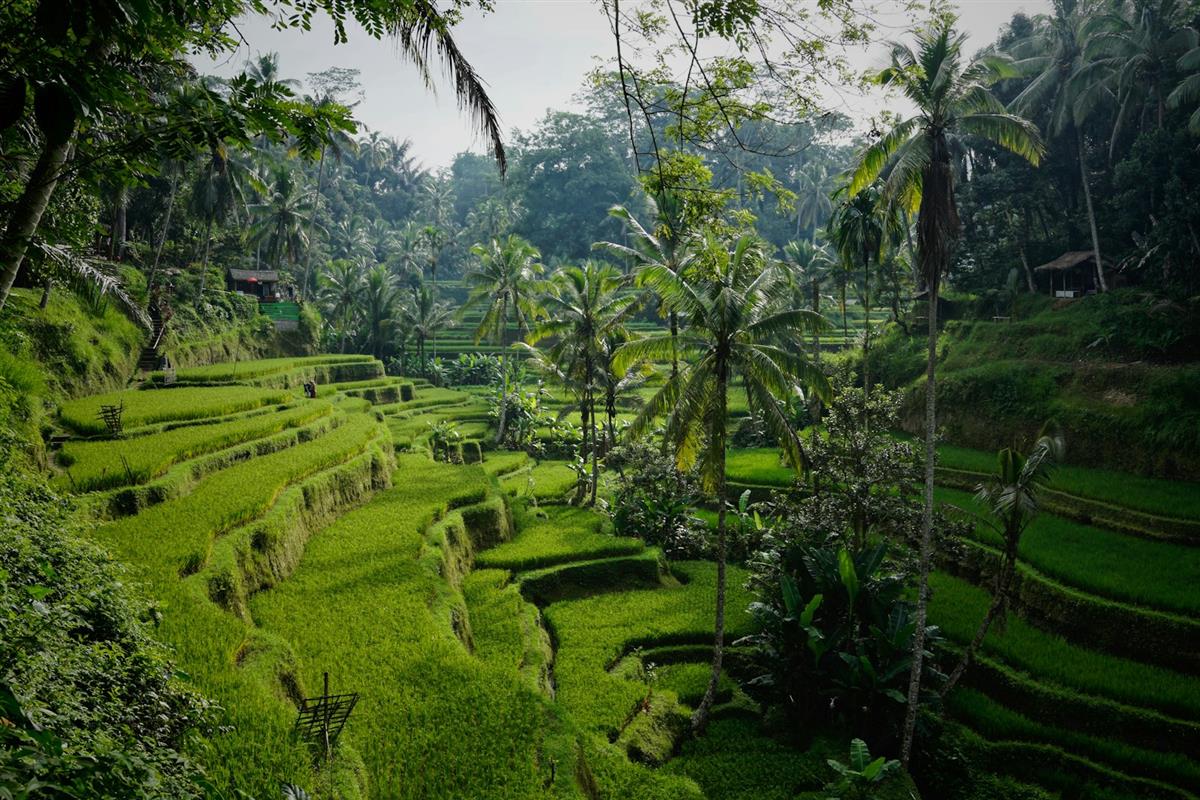
The Hiroshima Peace Memorial Park is a place of profound reflection and a global symbol of the desire for world peace. Located at the center of Hiroshima city, the park was established on the site of what was once the city's commercial and political heart before the first atomic bombing on August 6, 1945. The park's purpose is not only to remember the victims but to promote a future without nuclear weapons.
The most recognizable landmark in the park is the A-Bomb Dome (Genbaku Dome), the skeletal remains of the Hiroshima Prefectural Industrial Promotion Hall. It was one of the few buildings in the area to remain standing after the blast and has been preserved in its ruined state as a UNESCO World Heritage site. Walking through the park, you will also find the Cenotaph for the Atomic Bomb Victims, which lists the names of all those who lost their lives, and the Children's Peace Monument, covered in multicolored paper cranes—a tribute to Sadako Sasaki and a symbol of children's hope for a peaceful world.
Visiting the Peace Memorial Museum is an intense but essential experience, providing a detailed and human look at the events of that day and its aftermath. Hiroshima today is a vibrant, thriving city that has risen from the ashes, and the park serves as its soul, reminding every visitor of the resilience of the human spirit and the shared responsibility of protecting our global future.
Travel Tip: It is common to leave paper cranes at the Children's Peace Monument. If you wish to join, you can learn to fold a crane (oririgami) before your visit as a personal gesture of peace.
Luxury Insight: For a serene retreat after your visit to the park, take a short ferry ride to the island of Miyajima and stay at an ultra-luxury Ryokan like Kurayado Iroha, offering views of the iconic floating torii gate.
6. Nara Park: Where Nature and Spirit Walk Together
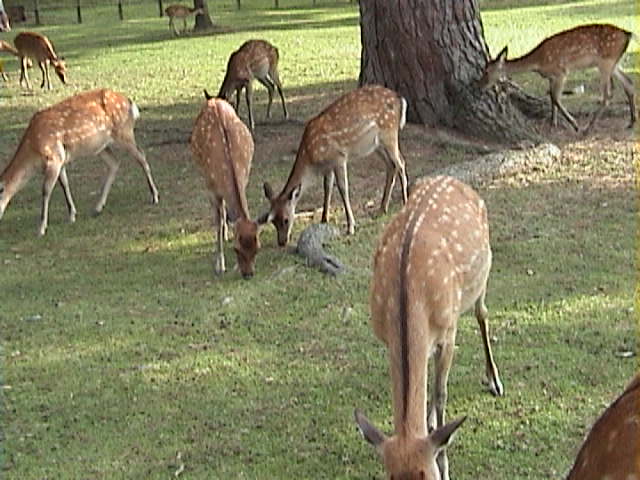
Nara was Japan's first permanent capital in the 8th century, and today, Nara Park is one of the country's most unique and charming destinations. The park is home to over 1,200 free-roaming Sika deer, which in the Shinto religion are considered the sacred messengers of the gods. These deer are remarkably tame and have learned to bow to visitors in exchange for "shika senbei" (deer crackers), creating a whimsical and interactive experience that is loved by tourists and locals alike.
Beyond the deer, Nara Park contains some of Japan's most important historical treasures. The most famous is Todai-ji Temple, a massive wooden structure (the world's largest until recently) that houses the "Daibutsu"—a colossal 15-meter-high bronze Buddha. Walking through the temple's Great South Gate, guarded by towering Nio statues, you are struck by the sheer scale of early Japanese religious architecture. Nearby, the Kasuga Taisha shrine is famous for its thousands of stone and bronze lanterns, which are lit twice a year for the lantern festivals.
Nara offers a slower, more contemplative pace than Tokyo or Osaka. Walking through the forested trails of the park, surrounded by ancient temples and gentle deer, you feel a direct connection to the Japan of over a thousand years ago. It is a place where nature, religion, and history are inextricably linked.
Travel Tip: Nara is an easy day trip from either Kyoto or Osaka (about 45 minutes by train). However, staying overnight allows you to experience the park in the quiet morning hours before the day-trippers arrive.
Luxury Insight: Stay at Fufu Nara, a luxury hotel located right on the edge of the park. Each suite features a private outdoor onsen made of stone, allowing you to soak in volcanic waters while looking out at the sacred Kasugayama Primeval Forest.
7. Sapporo: The Winter Wonderland of the North
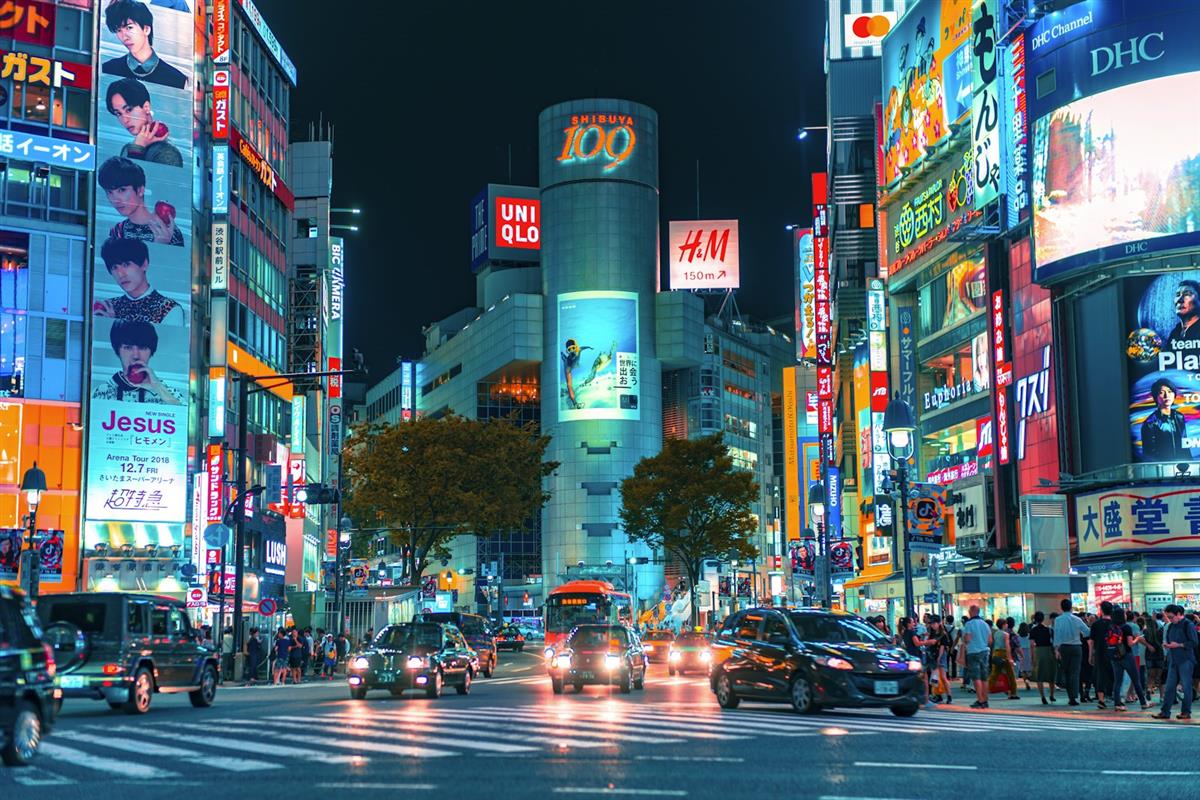
Sapporo, the capital of Hokkaido, Japan's northernmost island, is a city built on the themes of openness, nature, and adventure. Unlike many older Japanese cities, Sapporo was planned on a grid system with a large park (Odori Park) running through its center, giving it a spacious and modern feel. It gained global fame as the host of the 1972 Winter Olympics and remains the heart of Japan's thriving winter sports scene.
The city is most famous for the Sapporo Snow Festival held every February, where Odori Park and the Susukino district are transformed into an open-air gallery of massive, intricate snow and ice sculptures. Some of these masterpieces reach over 15 meters in height and depict everything from historic temples to movie characters. Beyond the festival, Sapporo is a paradise for food lovers, famous for its miso ramen, fresh Hokkaido seafood, and of course, the world-renowned Sapporo Beer. A visit to the Sapporo Beer Museum, housed in a historic brick building, offers a fascinating look at the history of brewing in Japan.
In the warmer months, Sapporo remains a popular destination as it stays much cooler than the rest of Japan. It is the perfect base for exploring the wild landscapes of Hokkaido, including volcanic national parks and vast lavender fields. Whether you are hitting the powdery slopes of nearby ski resorts or enjoying the lively nightlife of Susukino, Sapporo offers a refreshing and bold perspective on Japanese city life.
Travel Tip: When in Sapporo, trying "Jingisukan" (Genghis Khan) is a must. It is a local mutton dish grilled on a convex metal skillet, often accompanied by a glass of local Hokkaido beer.
Luxury Insight: Book an Executive Suite at the JR Tower Hotel Nikko Sapporo. Located atop the JR Tower, these rooms provide some of the best views in the city, especially during the SNOW festival when the illuminated sculptures are visible from 150 meters up.
8. Okinawa Churaumi Aquarium: A Journey into the Deep
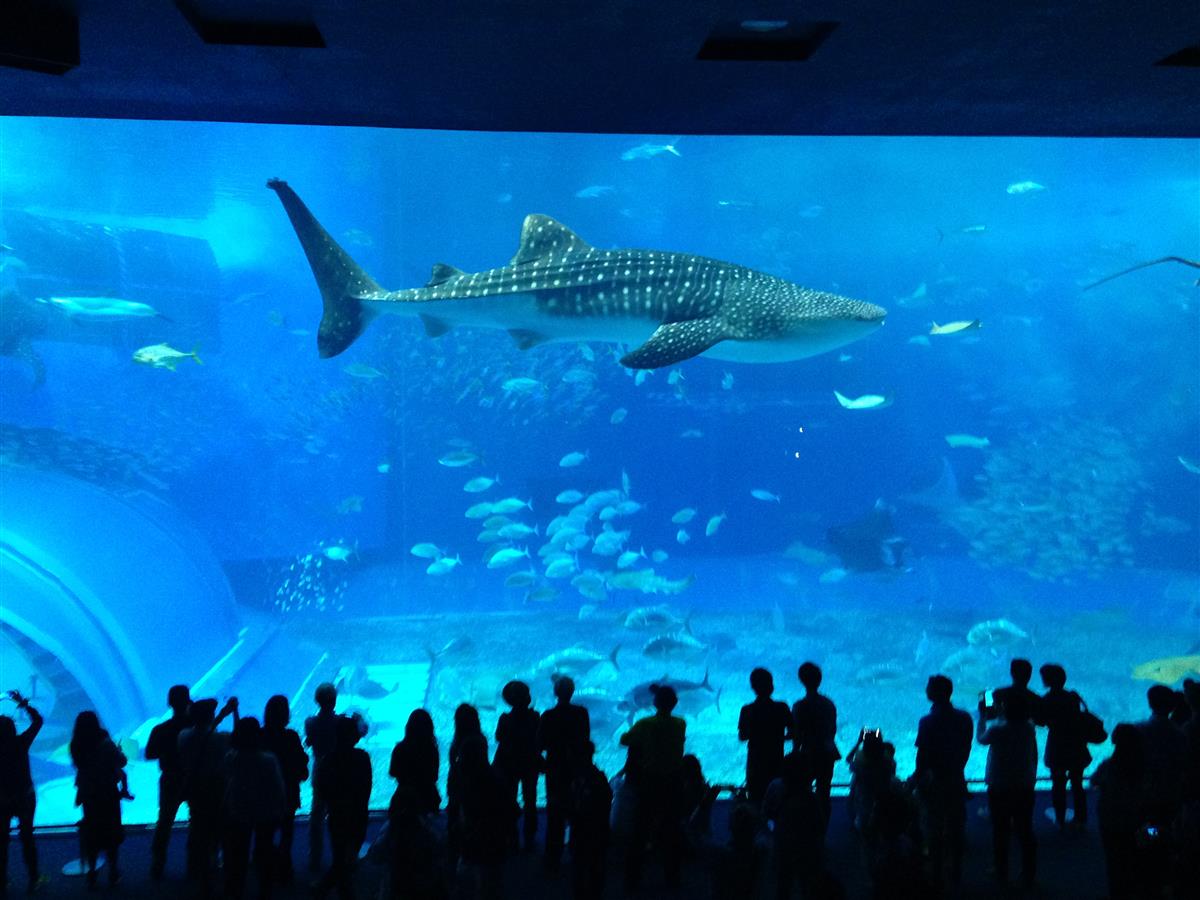
Located on the tropical Motobu Peninsula in Okinawa, the Churaumi Aquarium is widely considered one of the finest aquariums in the world. Its name, "Churaumi," translates to "beautiful sea" in the local Okinawan dialect, which perfectly describes the vibrant marine life of the Ryukyu Islands. The aquarium is designed to take visitors on a journey from the sun-drenched coral reefs of the surface down into the mysterious and crushing depths of the Kuroshio Current.
The centerpiece of the aquarium is the Kuroshio Sea tank, one of the largest in the world. Standing behind a massive acrylic panel, you are mesmerized by the sight of whale sharks—the world's largest fish—cruising gracefully past giant manta rays and shoals of thousands of tropical fish. The scale is so immense that it feels like you are actually standing on the seafloor. The aquarium is also pioneering in its research, being the first in the world to successfully breed manta rays and keep whale sharks for long periods.
Beyond the main tank, you can explore outdoor dolphin shows with the turquoise East China Sea as a backdrop, or walk through a coral garden that contains over 800 colonies of living coral. The Churaumi Aquarium is more than just a tourist attraction; it is a profound tribute to the incredible biodiversity of the Okinawan seas and a reminder of our duty to protect these fragile underwater worlds.
Travel Tip: Okinawa is a tropical island chain separate from mainland Japan. You will need to take a domestic flight (about 2.5 to 3 hours from Tokyo). Renting a car is the best way to explore the various parts of the main island and reach the aquarium.
Luxury Insight: Stay at The Ritz-Carlton Okinawa, located nearby. The resort offers a high-end spa focused on Okinawan botanicals and private balconies with views of the ocean and the Kise Country Club golf course.
The Endless Spirit of Japan: Japan is a destination that stays with you long after you leave. From the neon pulse of Tokyo to the quiet forests of Nara, from the snow-capped peak of Fuji to the azure depths of Okinawa, the country offers a richness of experience that defies easy description. We hope this guide inspires you to embark on your own luxury adventure through this incredible nation. Arigato and safe travels!